Automotive

Rare $1.2 million Holden ute is most expensive Holden ever sold

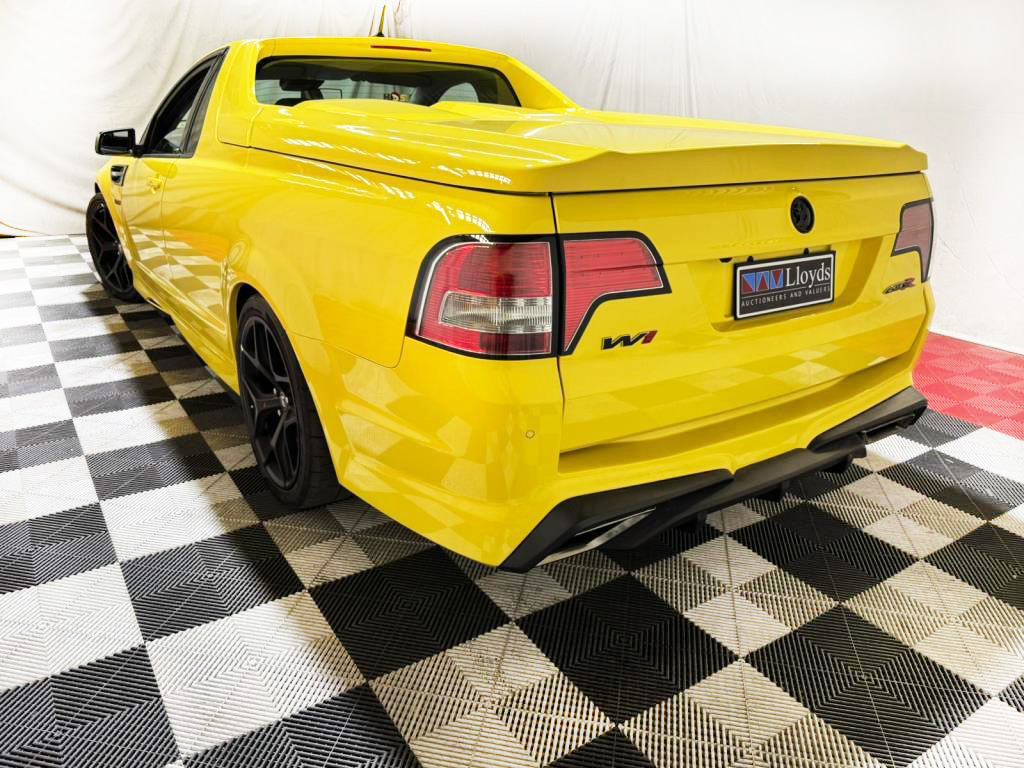
THE ULTRA-RARE ‘Yellah’ HSV GTSR W1 Maloo ute – build number 001 of just four secretly produced – sold last weekend for $1.2 million, winning the title of the highest-priced Holden in history.

A Lloyds Auctions spokesperson said just days after speculation swirled that the ‘unicorn’ ute might not find a buyer, fierce global bidding erupted online and via phone, pushing the price skyward before the blockbuster deal was finalised in private negotiations two days after the epic Lloyds’ December 2025 classic car sales event. Holden 2017 HSV GTSR W1 Maloo

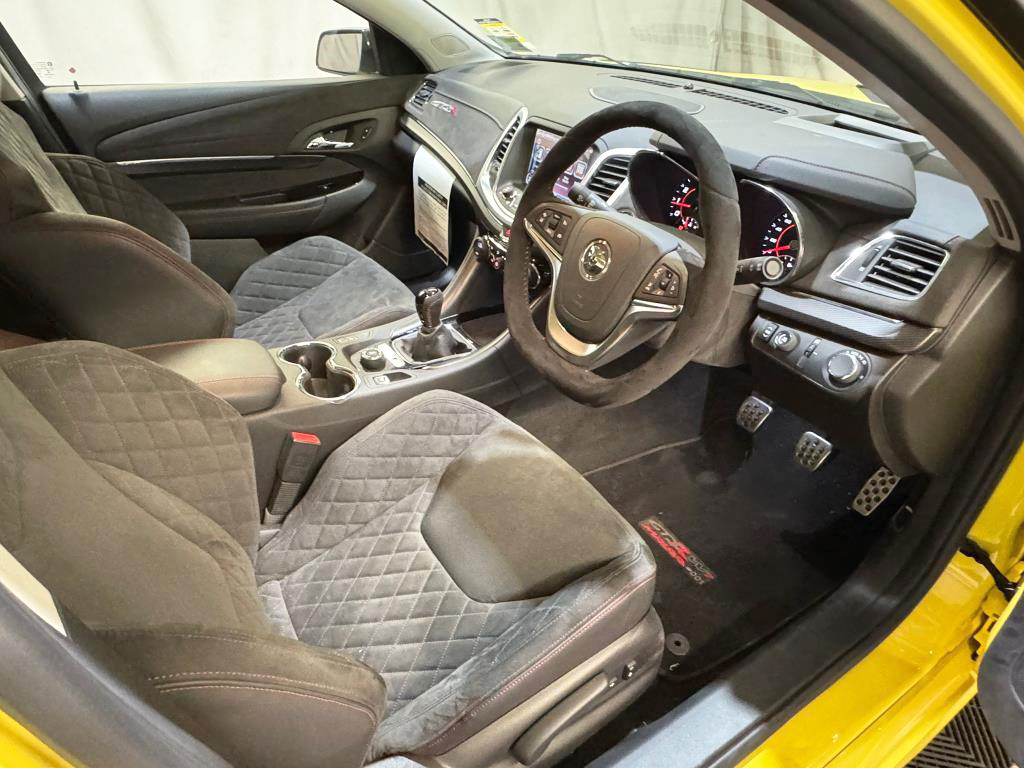
This pristine, delivery-condition beast, the only W1 ute ever finished in legendary XU3 Yellah paint, with a mere 26km on the odometer and never registered – packs Australia’s most powerful production engine: the 474kW supercharged LS9 V8, cementing its legacy as the ultimate modern Holden icon.

“Whispers of doubt turned into roaring reality,” Lloyds Auctions chief operating officer, Lee Hames said.

“This $1.2 million result not only obliterates expectations but proves Lloyds' unrivalled expertise in delivering record-breaking sales for Australia’s rarest automotive treasures.”

Surpassing the million-dollar milestone with ease, the sale drew intense interest from collectors worldwide, highlighting the enduring global passion for elite HSV performance machines.

This landmark achievement further entrenches Lloyds Auctions as the powerhouse of premium collectable vehicle sales, with the $1.2m Yellah W1 Maloo etching 2025 as a historic year in Australian motoring, Mr Hames said.

www.lloydsauctions.com.au 


ends 

Coalition makes a pre-election u-turn on EV subsidies

REPORTs that the Federal Coalition has done a surprise ‘u-turn’ on an election pledge to keep incentives and tax advantages in place for electric vehicles (EVs) has drawn strong criticism from the Electric Vehicle Council and the National Automotive Leasing and Salary Packaging Association (NALSPA).

The Electric Vehicle Council has called the reverse of EV support “a major blow to everyday, hard-working Australians during a cost-of-living crisis” and NALSPA CEO Rohan Martin has supported that view. 

Electric Vehicle Council CEO Julie Delvecchio said on Monday of last week, Opposition Leader Peter Dutton indicated there were no proposals to change the Fringe Benefits Tax (FBT) exemption, “which creates an ‘electric car discount’ by making it cheaper for workers to buy an electric car through salary sacrificing or as a company car for personal use”.

“On Wednesday, the Coalition reversed its decision, delivering a cost-of-living blow to average working Australians in the outer suburbs, such as Werribee in south-west Melbourne, Baulkham Hills in north-west Sydney and Springfield south-west of Brisbane, where the policy has seen the most significant uptake,” Ms Delvecchio said.

“If the Coalition genuinely wants to lower the cost of driving during a cost-of-living crisis, it needs to support working Australians to get into an electric car through this policy.

“The electric car discount has been helping thousands of workers finally afford to buy an electric vehicle. When Australians make the switch to an EV, they stand to save up to $3,000 per year on fuel and maintenance costs, but the biggest roadblock is the upfront cost. The FBT exemption has been helping to lower that barrier.

“The Australians who’re set to lose out most are those in outer suburbs, who have embraced the electric car discount in droves. People living in the outer suburbs and regional communities — who typically drive longer distances — are finally able to access the savings that EVs offer, thanks to this discount.

“The FBT exemption passed by Parliament has been highly effective, achieving exactly what it was designed to do — helping more Australians afford an EV while cutting transport emissions. Scrapping it now will drive up the cost of owning and running an EV for Australians and stall progress toward cleaner, cheaper-to-run transport.

“The exemption is helping reduce upfront costs and delivering real savings on running costs—benefits now at risk for thousands of Australians. Dismantling this policy sends the wrong message to those doing their bit to drive Australia’s clean transport future.

“We call on the Coalition to hit reverse and keep the EV FBT exemption in place so that more workers can afford an electric car that will save them thousands on fuel costs every year.”

Mr Martin said it has been an unexpected backward step from the Coalition. 

“And most surprisingly such a winding back doesn’t align with the Coalition’s own election pledges—like tax relief through an offset, scrapping the New Vehicle Efficiency Standard penalties to lower upfront car costs, and halving the fuel excise — because the EV FBT exemption successfully delivers on all those fronts,” he said.

“To the contrary, winding back the EV FBT exemption would increase the cost to own and operate a car for the many working Australians seeking to save money and reduce their carbon footprint through owning an electric vehicle,” Mr Martin said.

“We therefore call on the Coalition to reverse their proposal to wind back these subsidies so that working Australians and their families can have certainty as they seek to reduce their cost of living.”

www.electricvehiclecouncil.com.au

www.nalspa.org.au

ends

Bipartisan support remains for electric car discount

THE Electric Vehicle Council said Australians would continue to benefit from lower purchase prices and significant savings on running costs for electric vehicles, with bipartisan political support for the electric car discount.

Both major parties have confirmed the discount through support for the Fringe Benefits Tax (FBT) exemption for electric vehicles, with the Liberal Leader Peter Dutton committing to retain it should the Coalition be elected at the May 3 election.

Electric Vehicle Council chief executive Julie Delvecchio said the development provided certainty for Australian families looking to make the switch to cleaner, more affordable transport. 

“The Electric Vehicle Council is pleased to see our call for bipartisan support during the election campaign answered, with the Coalition’s backing of the FBT policy,” Ms Delvecchio said.

“This will mean Australians can continue to access cost-of-living relief by shifting to cleaner, more affordable cars.

“It is clear both major parties recognise the importance of this policy in cutting the cost of living for all Australians. Maintaining this commitment means more Australians can confidently plan for an electric future knowing the next government will support the decision to go electric,” she said.

“This policy is helping more Australians afford the upfront cost of an EV. Owning an EV can save drivers up to $3,000 per year in fuel and maintenance costs.

“This is a positive step forward for Australian families, who will continue to see reduced transport costs, better air quality and lower emissions as a result.”

Ms Delvecchio highlighted the policy’s success in increasing accessibility and affordability of electric vehicles, particularly in suburban and regional areas.

“The electric car discount doesn’t just reduce the upfront cost for new car buyers – it also grows the second-hand EV market, allowing even more Australians to benefit from affordable, sustainable transport,” she said.

www.electricvehiclecouncil.com.au

ends

Charles Darwin uni research finds big problems with self-driving cars and traffic laws

SELF-DRIVING vehicles and traffic legislation don’t match at the moment.

According to new research led by Charles Darwin University (CDU), automated vehicle control is ‘not up to speed’ and road legislation for it has yet to leave the starting line.

The CDU study examined the ‘driver dilemma’ in Australia – or how road traffic laws are specific to human drivers – and how this legislation has limited application to automated vehicles (AVs), which can drive without human input.   

The authors from CDU, Queensland University of Technology and the University of Newcastle found, in Australia, most legislative powers to stop vehicles are subject to a human driver and if they are violating road traffic laws. 

For example, South Australia’s Road Traffic Act specifies a driver as a ‘person’, and an authorised officer is allowed to direct a driver to stop their vehicle, not to move their vehicle, or interfere with it or with its load. 

Legislation in Queensland also defines a driver as a ‘person’, and laws such as stopping at a red light are specific to drivers. 

“The driver dilemma can be strongly identified in these stopping powers, all of which are addressed to the ‘driver’,” lead author and CDU senior lecturer in law Mark Brady said.

“Powers directed to drivers to stop vehicles are problematic when applied to automated vehicles where the automated driving system cannot at law be considered a driver,” Dr Brady said.

The study however found most passenger transport legislation around Australia is vehicle-centric and not dependent on a driver. 

For instance, New South Wales legislation on taxis and hire vehicles specifies authorities are allowed to stop a motor vehicle irrespective of who is driving. 

Dr Brady said given the uptake of driverless vehicles, passenger transport legislation should be used as a template to adapt road traffic laws to include automated vehicles. 

“Passenger transport laws all have explicit objectives about the public interest in safe, efficient, and accessible passenger transport,” Dr Brady said. 

“These vehicle-centric powers exist where there were significant public policy grounds to stop vehicles, irrespective of the driver's conduct.”

At present there is no national AV framework, though the Australian Government as of last year was developing one.   

“There is a suggestion that the familiar ‘rules of the road’ will not be needed in an automated vehicle future. However, in this future roadside enforcement would still need powers to stop vehicles,” Dr Brady said.

“As automation increases, it becomes more problematic who is the driver, in fact and in law, for the purposes of international and national road traffic laws.”

Automated vehicles, the ‘driver dilemma’, stopping powers, and paradigms of regulating road traffic was published in the journal Computer Law and Security Review

www.cdu.edu.au

ends


What to look out for when hiring a car – especially for holiday road trips

Ben Whitmore, chief marketing officer at East Coast Car Rentals, has seen it all when it comes to vehicle rentals – for both for business and leisure purposes. In this Q&A, he offers a range of insights – laced with a load of common sense – that can help keep your car rental experience on the upside. 

Q: How can understanding rental car insurance options help consumers avoid paying for unnecessary coverage, ensuring they’re only paying for the protection they need while still being fully covered in case of accidents or damages?

A: Taking the time to understand rental car insurance options can save you a significant amount of money and ensure you have the right level of protection. Many vehicle renters are unaware that their existing personal auto insurance or benefits from certain credit cards may already provide coverage for rental cars, such as for collision damage or liability.

At the same time, some coverage offered by credit cards or travel insurance providers requires careful review, as renters often assume they’re fully protected and decline waivers, only to find later that specific types of damage are not included. Being informed helps avoid unnecessary expenses and unexpected gaps in coverage. 

By researching your coverage beforehand, you can make confident decisions about whether you need to buy supplemental protection or if you’re already covered. If gaps in coverage exist, like limited liability or insufficient personal injury protection, it’s worth exploring the rental company’s offerings to ensure you’re safeguarded against expensive repairs or accidents.

Taking this step not only prevents overspending but also gives you peace of mind knowing you’re adequately covered no matter what happens on the road. 

Q: How can preparing for potential disputes, like damage claims or cleaning fees, help renters avoid unexpected costs, protect their wallets, and enjoy a stress-free rental experience?

A: Being prepared for potential disputes, such as damage claims or cleaning fees, can make a huge difference in your rental car experience and help you avoid unpleasant surprises when it’s time to settle the bill.

Before you even drive off, inspect the vehicle thoroughly, looking for dents, scratches, or other imperfections. Use your phone to take photos or videos from multiple angles, making sure to capture any issues clearly.

If you notice anything concerning, report it to the rental agent and ensure it’s documented in the rental agreement. 

When returning the car, give it a quick once-over to confirm it’s in the same condition you received it and hasn’t picked up any damage during your trip. Keeping the car clean and following return guidelines, such as refueling it if required, can also help avoid disputes over extra charges. 

These small, proactive steps take only a few minutes but can protect your wallet and leave you with a smoother, stress-free rental experience. 


Q: How reviewing rental contracts closely allows consumers to spot important details like mileage limits and return policies, helping them avoid hidden fees and penalties that can quickly add up?

A: Carefully reviewing your rental contract before signing can save you from headaches later and ensure your rental experience stays on track with your budget. These agreements often include important details that renters may not immediately notice, such as mileage limits, fuel policies, or return requirements.

For example, some rental companies set mileage caps, and exceeding these limits may result in additional charges. Similarly, if a car is returned without the agreed level of fuel, a refuelling fee may apply. It's important to review these terms to ensure a smooth and cost-effective rental experience. 

Other policies, such as late return penalties or requirements for returning the car to the same location, can also catch renters off guard if not understood upfront.

Taking the time to read and ask questions about the fine print allows you to plan ahead, avoid unnecessary expenses, and confidently stick to your budget. It’s a small investment of time that can turn a great trip into an unexpectedly expensive one.

www.eastcoastcarrentals.com.au

ends

MG3 or $10k cash up for grabs in East Coast Car Rentals customer campaign

EAST COAST Car Rentals has launched its new ‘Spin to Win’ campaign, offering all customers the chance to win a range of prizes, from Flight Centre vouchers to an MG3 car. 

The holiday season is a busy time for vehicle hire, so with demand at its peak across East Coast Car Rentals 15 branches, the Spin to Win campaign aims to add excitement for customers who book directly. It could turn their vehicle rentals into a potentially memorable experience with instant prizes and the chance to win a grand prize. 

“The goal of the Spin to Win campaign is to add excitement and rewards to the rental experience, while building stronger connections with customers,” East Coast Car Rentals chief marketing officer, Ben Whitmore said. 

“We wanted to offer something fun for Aussies over the coming months as a way to thank renters for choosing East Coast Car Rentals. 

“By booking directly with us, customers are automatically in the running for great prizes, from fuel vouchers for their next trip to the grand prize. There’s over a thousand prizes to be won so we hope we can put a smile on a lot of our customer’s faces this summer.”

The Spin to Win campaign is East Coast Car Rentals’ way of rewarding customer loyalty and enhancing the rental experience into 2025. By turning road trips into exciting opportunities, East Coast is hoping that the campaign will drive awareness and engagement over the busy summer period and establish a greater connection with customers.

Once customers return their vehicle, they will receive an email with an invitation to play the digital game immediately. Additionally, QR codes displayed at the branch counters provide easy access to the promotion details and instructions, making it simple for every customer to get involved. 

Each spin provides the opportunity to win instant prizes, including Visa gift cards, Flight Centre vouchers, fuel cards, car rental vouchers – and for those who don’t win one of these prizes, they will be entered into a second-chance draw for the grand prize choice of an MG3 vehicle or $10,000 in cash.

The campaign runs until February 28, 2025, across all 15 East Coast branches and wraps up with the major prize draw on March 10, 2025, at the Gold Coast branch. 

The draw, featuring the winner’s choice of the MG3 car or $10,000 in cash, will be recorded and shared on social media, with all other prizes being delivered digitally for easy

redemption. 

www.eastcoastcarrentals.com.au

Full list of prizes

  • Major prize: One major prize winner will be chosen from all participants across 15 branches on March 10, 2025. The winner has the option to choose between an MG3 vehicle or A$10,000 cash.
  • Minor prizes: Includes digital rewards such as Visa gift cards, Flight Centre vouchers, fuel vouchers, and ‘their next rental on us’ (up to $500).

Prizes

Amount

Value

Type

1.     $500 Flight Centre gift card

20

A$500

Instant Win

2.               $500 East Coast Rentals credit

250

A$500

Instant Win

3.               $250 Flight Centre gift card

50

A$250

Instant Win

4.               $100 Eftpos gift card

400

A$100

Instant Win

5.               $100 Visa or Mastercard gift card

(as determined by the promoter)

50

A$100

Instant Win

6.               $100 Flight Centre gift card

50

A$100

Instant Win

7.               $50 Visa or Mastercard gift card

(as determined by the promoter)

100

A$50

Instant Win

8.               $25 Visa or Mastercard card 

(as determined by the promoter)

150

A$25

Instant Win


ends

Charge into PHEVs before discount ends – NALSPA

AUSTRALIA’s peak body for novated leasing is urging Australians to act quickly on purchasing a plug-in hybrid electric vehicle (PHEV) before the fringe benefits tax (FBT) exemption deadline of April 1 approaches.

Waiting times for some qualifying model vehicles are at risk of pushing them outside the timeframe.

According to the National Automotive Leasing and Salary Packaging Association (NALSPA), eligible workers who salary sacrifice are exempt from paying FBT on PHEVs until April 1, 2025, although the exemption will remain for battery electric vehicles (BEVs). 

NALSPA CEO Rohan Martin said some PHEV models and variants through novated leasing were being snapped up quickly.

“If you want to save on the cost of owning and operating a plug-in hybrid, you better get in quick before the FBT exemption expires in April next year,” Mr Martin said.
“Now’s the time to seriously consider and enquire about getting into a PHEV which for many motorists means being able to drive on electricity for the bulk of the time, with the comfort of a petrol engine for those longer trips.

“The FBT exemption offers significant savings for your household by paying no FBT and reducing your taxable income through a novated lease arrangement. This saving could be as much as $20,000 or more for an employee over the term of a typical PHEV lease.

“While there is still plenty of stock available for some PHEV models and variants, demand for others is high and wait times are unfortunately extending to or beyond the April cut off.

“We also think that demand and delivery times are only set to continue to rise in the coming weeks – so the message is don’t wait, speak with your novated lease provider or local car dealer. To qualify for the exemption, our advice is that a financial commitment must be in place and that your PHEV must be available for your use, and therefore delivered to you, before April 1, 2025.
“With the help of the FBT exemption, Australians are loving plug-in hybrids with new sales more than doubling over the past year (up 100.4% to November 2024). PHEVs are a crucial stepping stone toward full electric driving,” he said.

“Compared with pure EVs, PHEVs meet the needs of a growing number of Australians by alleviating range anxiety and are projected to offer a greater range of electrified larger vehicle types like utes and dual cabs in the near future. Most PHEV drivers predominantly use electric power only and recharge at least twice a week.

“NALSPA has strongly advocated for the FBT exemption to remain in place for eligible PHEVs to help lower motoring related costs for everyday Australians during a cost-of-living crisis and get Australia closer to meeting its climate targets,” Mr Martin said.
“The decision to end the FBT exemption for PHEVs couldn’t come at a worse time, especially as a range of hard-to-fully-electrify utes are just entering the market. The FBT exemption is playing a critical role in encouraging more everyday Australians, particularly those in regional areas, to make the switch to an electrified vehicle, so it wouldn’t be a surprise if demand for plug-in hybrid falls after April next year.”

NALSPA’s list of popular PHEVs via novated leasing include:

  • Alfa Romeo Tonale
  • BYD Sealion 6
  • BYD Shark
  • Cupra Leon VZe
  • Cupra Formentor VZe
  • Kia Sorento PHEV
  • Mazda CX-60
  • MG HS
  • Mitsubishi Eclipse Cross
  • Mitsubishi Outlander
  • Volvo XC60

www.nalspa.org.au

ends