
 How to resolve AdBlock issue?
 Australia’s tax changes on trusts are ‘generationally’ impactful for family businesses
By Leon Gettler, Talking Business >>
THE ALBANESE LABOR GOVERNMENT's Federal Budget changes mean that it’s the first time in a generation that the considerations for investments, from a tax point of view, will be different.
Darren Connolly, the CEO of Investment Markets, said with the Budget changes, investors needed to look at their portfolios and see if they were still set up ‘right’ for them.
“Fundamentally, you should never make a decision based on the tax rate,” Mr Connolly told Talking Business. “But the challenge for investors is to consider what is my after tax return going to look like and where will I get it -- because different types of investments provide different returns.
“There are different mixes of returns between income and capital growth.” 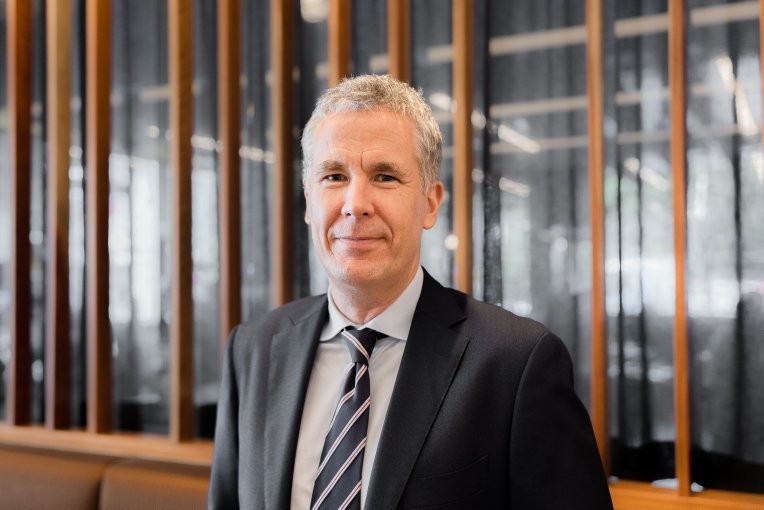
Change of perspectives on income
Mr Connolly said this new tax approach meant investors needed to ask whether they preferred a higher level of certainty on their income versus “rolling the dice on something that has little income but potentially larger capital returns further down the line”.
At the same time, this would also carry a risk of keeping less of that capital gain.
“It’s a bird in the hand consideration to some extent,” Mr Connolly said.
“I think a lot of people will move their focus to the relative benefit of income and investments that provide more certainty.”
Rise in superannuation investment
Mr Connolly said this could also see many more investors putting their money into superannuation.
“Super is unaffected and it is the number one place for most people to out their investment dollars from an after tax point of view,” he said.
“I would fully expect investors to be increasingly maximising the amount they can put into super to the relevant different caps.”
Mr Connolly said, outside of super, there were fixed income funds and commercial property investments, particularly if there were tax-deferred elements to that type of investment, which will be relatively more appealing to investors.
Australia also has the benefit of franking credits delivering 8-9% yields every single year with less risk of a capital gain.
Adapt to new investment environment
Mr Connolly said whether investors agreed with the 2026 tax reforms changes or not, they had to adapt to the new environment.
“There are always changes in the investment environment,” he said.
“It’s interest rates, inflation, the economy, taxes. They are some of the things you need to consider but not the only thing to consider.
“What we encourage investors to do is to look at their portfolio and consider whether it’s still right for them.
“That’s a good piece of housekeeping that everybody should be doing.”
Mr Connolly said the big change was the government announcing it would introduce a 30% minimum tax on discretionary trusts from July 1, 2028. The minimum tax will apply at the trustee level.
Non-corporate beneficiaries who are presently entitled to a share of the net income of the trust will be able to claim a non-refundable income tax credit for the tax paid by the trustee on that income.
“Wrapping into all that will be the structure you are holding your investments in,” Mr Connolly said. 
“Having a minimum 30% on trusts is certainly going to have an impact on people holding business assets or business premises in a trust structure.”
Hear the complete interview and catch up with other topical business news on Leon Gettler’s Talking Business podcast, released every Friday at www.acast.com/talkingbusiness
ends