
 How to resolve AdBlock issue?
 10 investment experts show where opportunities may be in volatile markets today
WITH GEOPOLITICAL CONFLICT driving energy prices higher, bond yields rising, US tariff uncertainty persisting and artificial intelligence (AI) reshaping entire sectors, Australian investors find themselves navigating one of the most complex environments in recent memory.
InvestmentMarkets, an Australian independent investment marketplace, has brought together views from 10 leading fund managers, market strategists and sector specialists across equities, fixed income, property, private credit and global macro to cut through the noise – with each offering a distinct perspective on where the risks and opportunities sit heading into the second half of 2026.
Rather than a ‘single house’ view, this collection captures the diversity of approaches investors are weighing.
Their assessments range from global macro positioning and contrarian equity strategies through to unlisted property, mortgage funds and the new yield alternatives emerging on the ASX.
To sum the 10 viewpoints up: discipline and diversification matter more than ever.
Darren Connolly, CEO, InvestmentMarkets 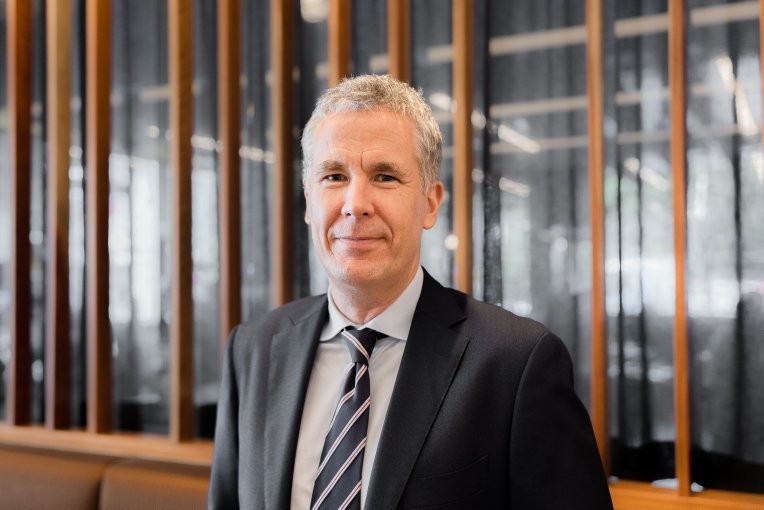
“Most investors think they’re diversified, but true diversification means more than holding a few different stocks.
“It means exposure across asset classes, geographies and income sources – and it means having parts of your portfolio where the cash flows aren’t driven by market sentiment at all.
“That’s the gap we see most often, and it’s the one that hurts most in periods like this.
Michael McCarthy, CEO, Moomoo ANZ 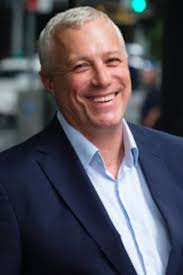
“I’m seeing signals from bond markets, currency markets, cryptocurrency markets, and share markets that are all lining up with the same message – growth is slowing and interest rates are headed higher.
“The best time to prepare for volatility is at the beginning when you devise your strategy. The next best time is when markets are going well.
“The third best time is now, because it’s never too late to act.”
Rudi Filapek-Vandyck, founder, FNArena 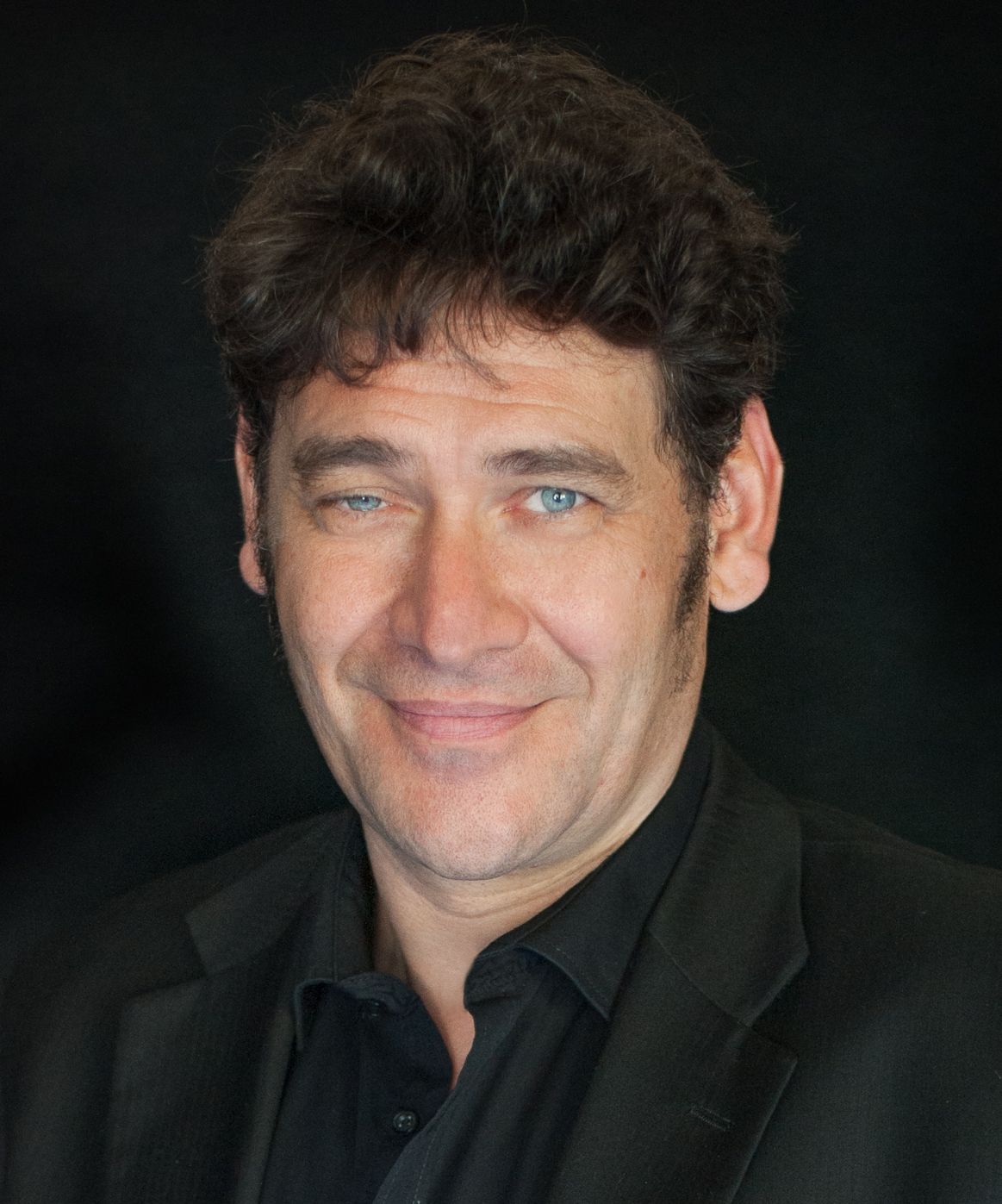
“The share market, outside of a very small selection of winners, is now basically becoming a value proposition for investors who can look beyond the immediate headwinds.
“The whole AI narrative is a very long-term story. It’s going to change the world, have no doubt but the way it does is open for debate.”
Simon Raubenheimer, director, Contrarius Investment Management 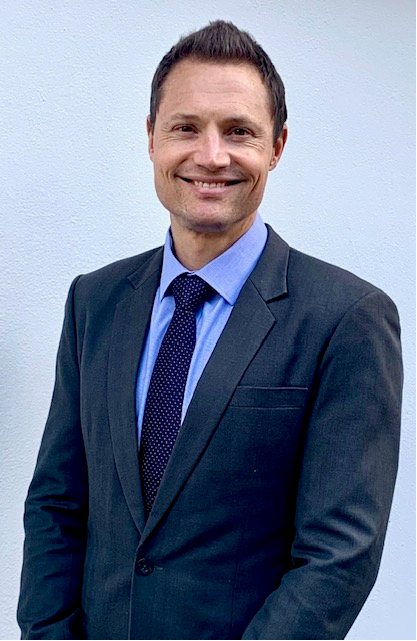
“It is tempting to get excited about shares that are down 70 to 80 percent in a short space of time, but there’s a serious risk of buying a value trap.
“Our challenge is to be extremely disciplined in avoiding companies that face existential risks, even if they look cheap in the rearview mirror.”
Marc Jocum, product and investment strategist, Global X 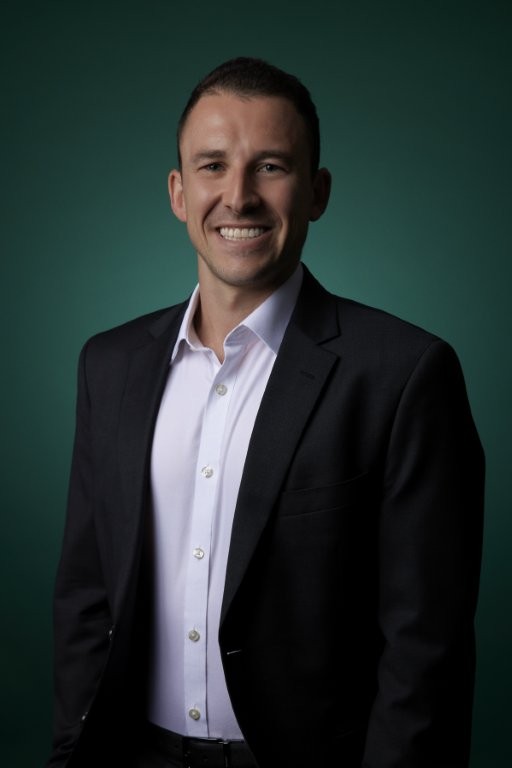
“The current dividend yield on the Australian share market is around 3.2 percent, the lowest it’s been for decades.
“We are heavily weighted into financials and materials, which make up 50 to 60 percent of the market, and significantly underexposed to the sectors projected to grow earnings at double digits.
“Don’t forget that earnings drive the majority of share market returns.”
Michael Saba, portfolio manager, Arculus Funds Management 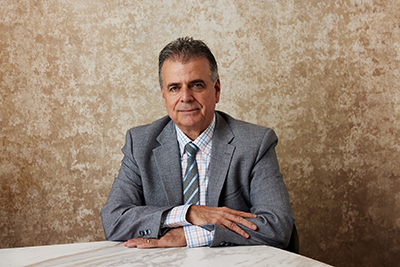
“The landscape has changed dramatically. Hybrids are being phased out, but that doesn’t mean they’re dead, there are still 38 issues and around $37 billion outstanding.
“What’s exciting is the range of new yield products emerging. It’s a sector that has just reached adolescence – it’s going through growing pains, and that’s good, because it will sort itself out.”
Nick Alcock, Australian Secure Capital Fund (ASCF) 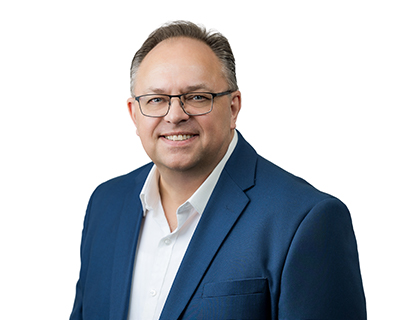
“Since October 2021, APRA has maintained a 3 percent mortgage serviceability buffer. The unintended consequence is that we now see situations where hopeful refinancers can’t even service with their current lenders.
“Borrowers still need funding and projects still need finance, but the traditional banking system is no longer willing to provide it in some cases and that’s the gap private lenders have stepped in to fill.”
Vaughan Hayne, managing director and co-founder, Exceed Capital 
“We’ve seen rents on the Gold Coast increase 40 percent in two years, with A-grade office vacancy under 1.7 percent, the lowest it’s ever been.
“Some of our A-grade buildings have moved from $460 to $650 per square metre.
“Construction costs and labour costs are at record highs, which means less new supply – which is generally a good thing for existing commercial property owners. Less supply, more demand, pushes up rental prices.”
Michael Fazzini, sales and distribution executive, Capru 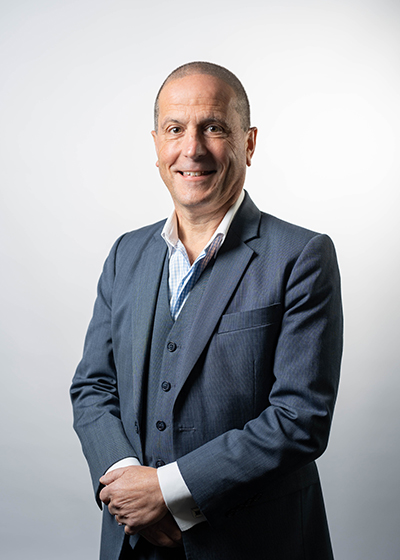
“The biggest insight in property development that most investors don’t realise is that most of the profit comes from what you pay for the land.
“Market price for land in our world isn’t the last transaction of a similar site or per square metre, it’s working backwards from what the finished product is worth, the build costs, and the minimum return needed to make the project viable.
“Get that wrong and no amount of execution can save you.”
Marcus Cleary, head of distribution, Oreana 
“Volatility is a pricing problem, not a cash flow problem.
“Whether it’s tariffs, tech selloffs or oil shocks, the price volatility and breadth of that volatility isn’t seen within the direct asset class because the cash flows we deliver are linked to CPI and backed by long-term leases.
“Regardless of the economic environment, families are still sending their kids to childcare.”
Richard Collier, CFO, Heartland Bank 
“Australians aged over 60 hold more than $3 trillion in property, yet less than 1 percent of that available equity has been unlocked.
“The total reverse mortgage market is only around $5.5 billion against an addressable market of around $600 billion.
“With superannuation balances of just over $4 trillion across the entire system not sufficient to fund the lifestyle Australians expect in retirement, this is the largest store of value that remains untapped.”
ends