
 How to resolve AdBlock issue?
 Some advantages of ‘buy now pay later’ come to the fore in difficult times
By Leon Gettler, Talking Business >>
AS OF 2026, ‘buy now pay later’ (BNPL) has become common in Australian restaurants and home delivery services.
Mangala Martinus, managing director of Payments Consulting Network, said BNPL has now become quite common everywhere.
“We’re already seeing that 27% of people are using flexible payment options for groceries and essential so I think this is really an extension,” Mr Martinus told Talking Business.
He said that comes from the e-commerce payment experience report that Payments Consulting Network had done with Power Retail which surveyed more than 1000 consumers.
Mr Martinus said using BNPL for dinner was just a natural extension of people using it for groceries.
“You’ve got to remember that buy now pay later in Australia provides a zero cost or low-cost financing option,” he said.
“We’re still having a lot of people experiencing a cost of living crisis and so it is just an easy options in terms of financing for them.” 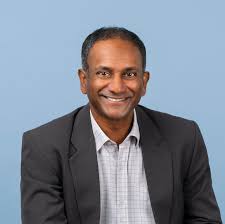
Keep BNPL risks in perspective
In terms of risk, Mr Martinus said, people just needed to be conscious of not over-extending themselves and spending too much.
“Really it’s a discretionary spend if we’re talking about dining out or getting takeaway in at the home delivery so it’s a natural use of buy now pay later as a service,” he said.
Mr Martinus said the Payments Consulting Network report found that the main use of BNPL was in areas like fashion, beauty, electronics and, increasingly, for travel.
“You’ll find it used for more and more options because 40% of consumers have already used a flexible payment option,” he said.
The Payments Consulting Network found BNPL was highest in certain demographics.
“The survey found it was highest in the 25-34 year olds where 58% had used it as a payment option in the last six months,” he said.
Gen Z also favours BNPL
Mr Martinus said it was an option that would also apply to Gen Z.
“It is the younger generation as they tend to have less access to credit card facilities because they don’t have the financial history yet,” Mr Martinus said.
There were no issues with people deferring payments on BNPL platforms as most already had credit cards.
“For a lot of users, they just use a 55-day interest free period,” he said.
“With buy now pay later, if you do it in four instalments, you are not paying for the credit costs, it’s being paid for by the retailer, so you’re getting free access to credit as a consumer.
“If you pay it within the period, you are generally not paying any interest fee.
“So there’s a huge benefit for that and so that’s why a lot of people use it.”
Mr Martinus said it was no surprise that restaurants had adopted BNPL.
“It will be just another payment option,” Mr Martinus said. “It’s providing an option that consumers want to use.
“Overall, 40% of consumers have used a flexible payment option over the last six months.”
Mr Martinus said BNPL was very much the future of the dining industry.
“It’s certainly an option and extending the customer base” he said. 
Hear the complete interview and catch up with other topical business news on Leon Gettler’s Talking Business podcast, released every Friday at www.acast.com/talkingbusiness
https://shows.acast.com/talkingbusiness/episodes/talking-business-11-interview-with-mangala-martinus-from-pay
ends