
 How to resolve AdBlock issue?
 Hobart’s MONA cult museum sets its sights on the Chao Phraya
By Ellen Boonstra, Business Acumen’s Asia correspondent >>
SOUTHEAST ASIA’s contemporary art scene has spent the past few years attracting the kind of institutional heavyweights once reserved for Paris, London and New York.
Bangkok, in particular, has moved quickly from a minor stop to genuine contender, with the Bangkok Art Biennale, MOCA Bangkok and the recently opened Dib Bangkok all adding weight to the city’s case as a serious cultural destination. 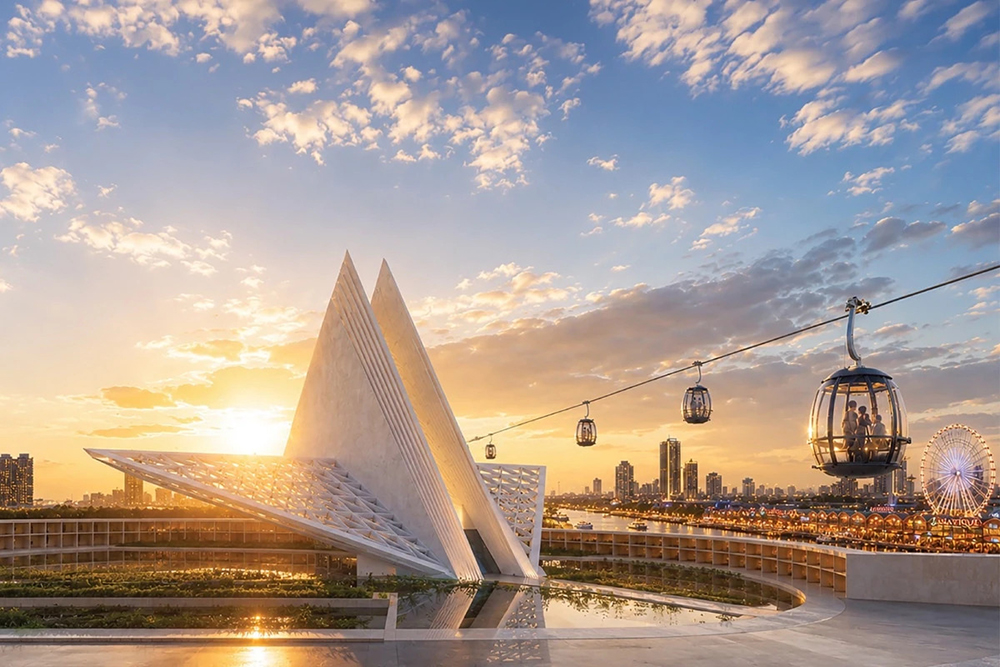
The latest, and arguably most unexpected, name to enter the city’s art scene is Tasmania's Museum of Old and New Art (MONA). Founded by Australian entrepreneur David Walsh, with funding from his professional gambling fortune, MONA opened in Hobart in 2011 and became known for its provocative exhibitions, immersive experiences and unconventional approach to museum design.
It has since drawn more than 5.2 million visitors and is widely credited with reshaping Hobart's identity from a quiet port city – and yacht racing finish line – into an international cultural-arts destination.
MONA and Thai-listed developer Asset World Corp (AWC), the company behind Asiatique The Riverfront, a heritage-inspired retail and entertainment destination on the Chao Phraya River, are partnering to develop MONA Bangkok at the site. 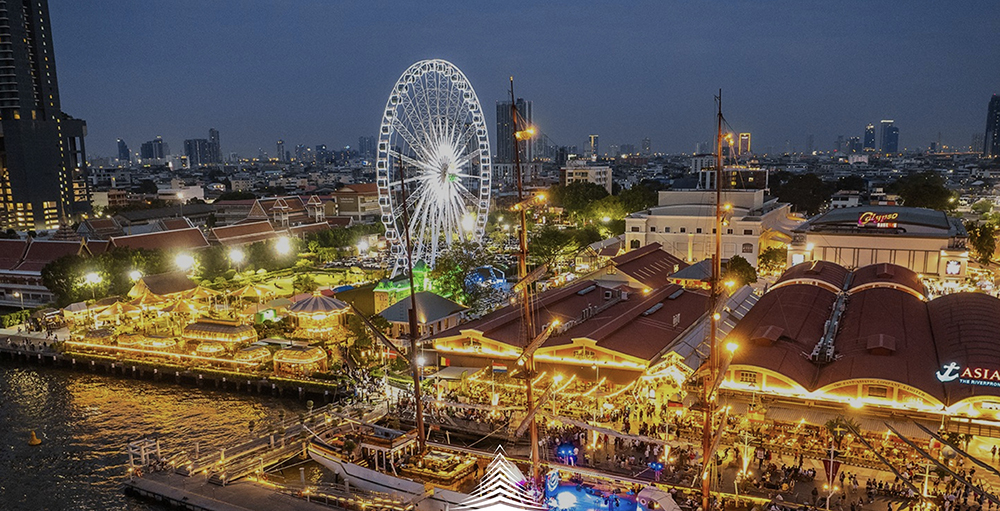
AWC is majority-owned by the family of billionaire Charoen Sirivadhanabhakdi, founder of TCC Group, one of Thailand’s largest business empires. Ranked among Thailand's wealthiest individuals, Charoen built the group primarily through Thai Beverage (ThaiBev), the country's largest beverage company and producer of Chang beer.
Through AWC, TCC Group has expanded into hospitality, retail, office and mixed-use developments, with projects including Asiatique The Riverfront and Empire Tower, home to Nobu Bangkok (the highest Nobu restaurant in the world, with breathtaking views of the Bangkok skyline, continuing its internationally renowned blend of chef Nobu Matsuhisa’s contemporary Japanese cuisine with exotic Peruvian influences).
The MONA Bangkok project, expected to open in 2029, sits alongside a planned cross-river themed cable car connecting the site with AWC's mixed-use development on Charoen Nakhon Road. The cable car will incorporate elements of art, light, sound and technology into the river crossing experience, part of AWC’s wider plan to transform Asiatique into a larger cultural and lifestyle destination. 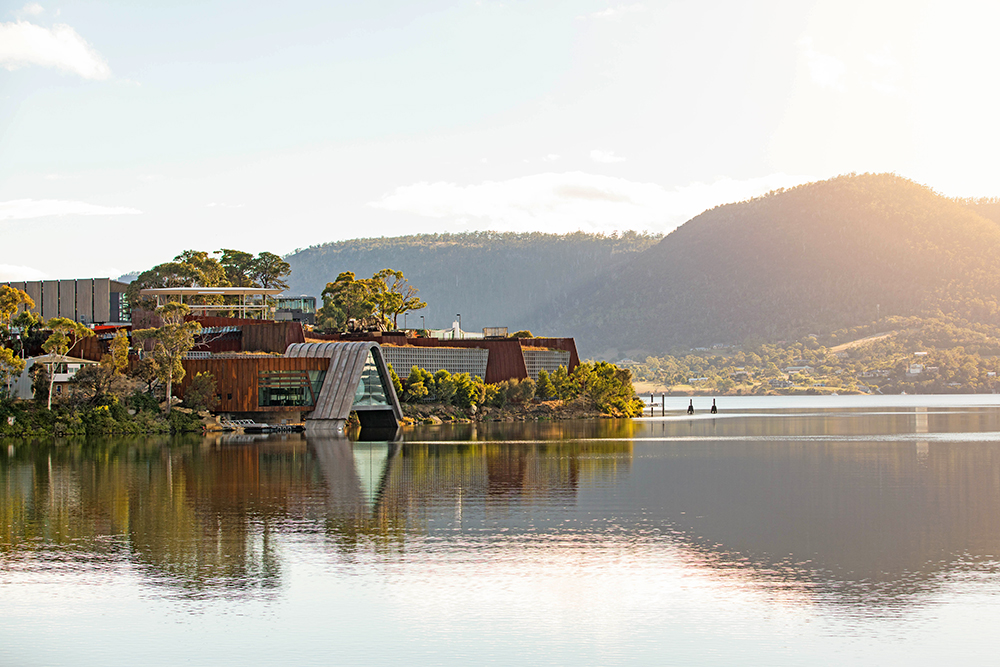
Artfully from Hobart to Bangkok
MONA’s own trajectory makes it an unusual, but strategically logical, museum to expand overseas. Its track record, rather than a specific building or collection, appears to be what AWC is investing in.
“Having spent most of the last 25 years studying how museums work, AWC has presented us with a remarkable opportunity to take what we’ve learned to one of the great tourist centres of the world,” Mr Walsh said of MONA’s opportunity.
The Bangkok project will be led by Leigh Carmichael, chief executive and creative director of DarkLab, MONA's creative arm specialising in festivals, cultural programming and immersive experiences. Mr Carmichael has worked with Mr Walsh for more than 20 years and co-founded the MONA brand and the ‘Dark Mofo’ festival.
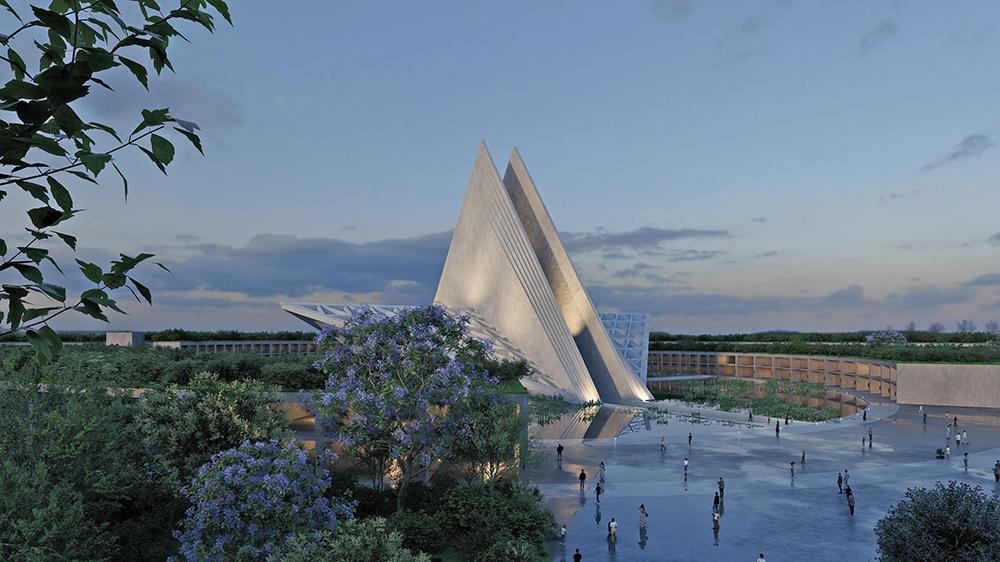
Mr Carmichael has said MONA Bangkok would not simply replicate the Hobart museum. Instead, it would develop its own identity around the theme of light, explored as both a physical phenomenon and a metaphor.
Chosen for its significance in Thai culture and religious tradition, the concept will be developed in collaboration with local artists rather than imported directly from Hobart.
AWC’s cultural bet
For AWC, MONA Bangkok forms part of a broader strategy to create destinations that go beyond traditional real estate, combining commercial spaces with dining, entertainment, culture and visitor experiences.
At Asiatique, the cable car and the museum work in tandem, connecting mobility, art and cultural experience within a single riverside destination.
AWC chief executive Wallapa Traisorat described the museum as “a bridge between Thailand and Australia” linking it to the company’s wider sustainability and tourism goals.
Bangkok has already shown an appetite for turning private collections into public cultural institutions.
Dib Bangkokw (see Business Acumen story) which opened late last year from the Osathanugrah family's private collection, is the most recent example. MONA Bangkok differs by bringing an established international institution and its operating model into that mix, rather than building a museum around an existing local collection.
MONA Bangkok will add another cultural venue to Bangkok's growing riverside landscape, while testing whether MONA’s unconventional museum model can translate to a new international audience.
Writer Ellen Boonstra is Business Acumen magazine’s roaming Asia correspondent.