
 How to resolve AdBlock issue?
 Transforming a Thai art legacy into a Living Museum attraction
By Ellen Boonstra, Asia correspondent >>>
THAILAND’s contemporary art sector is becoming more established, with a growing network of institutions raising both visibility and professional standards across the country.
In Bangkok, venues such as the Bangkok Art and Culture Centre (BACC), SAC Gallery and Warehouse 30 have helped build a more active and accessible ecosystem.
Beyond the capital, destinations including Khao Yai Art Forest and MAIIAM Contemporary Art Museum are expanding the country’s cultural reach and attracting a broader audience. 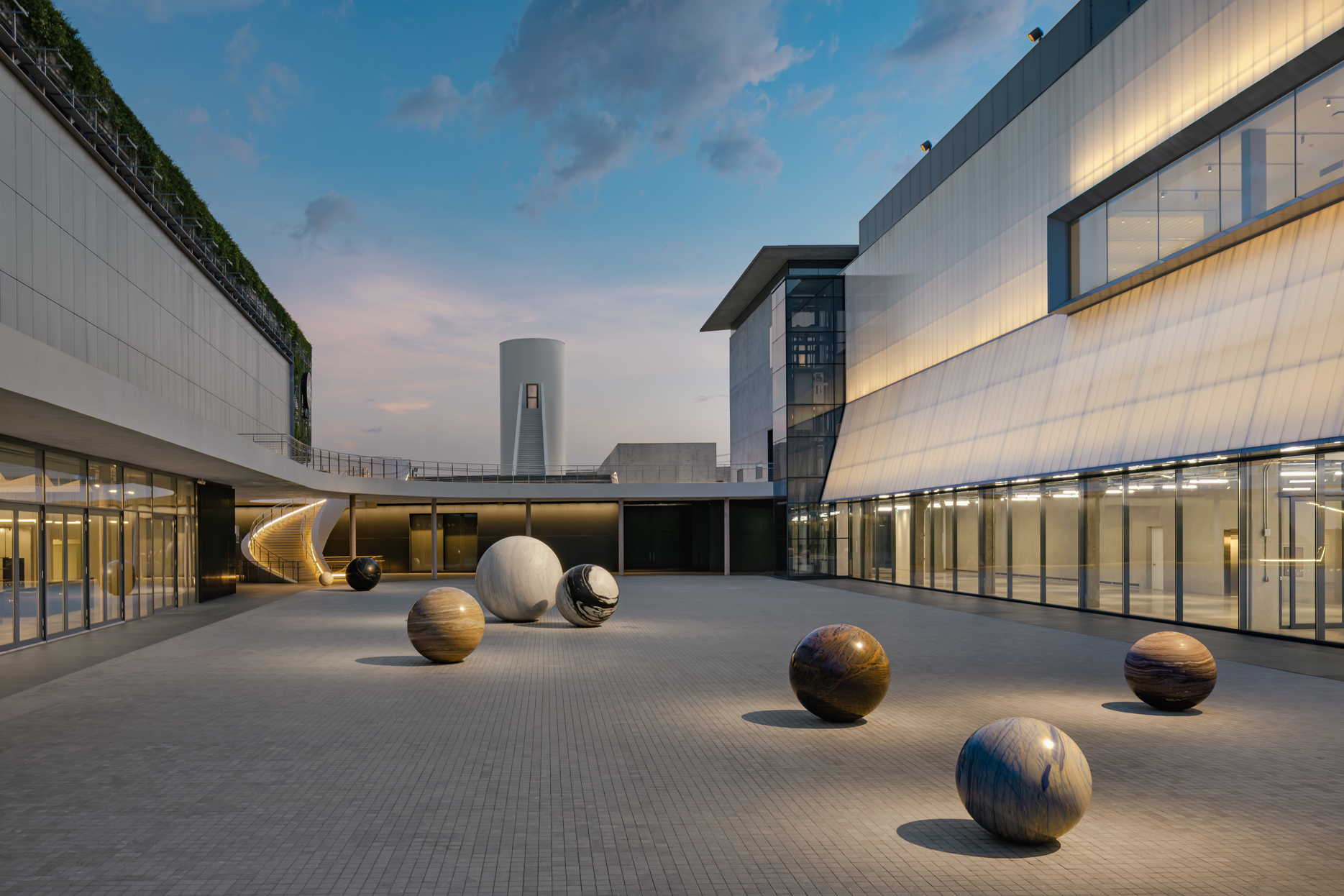
Against this backdrop, the opening of Dib Bangkok in December 2025 represents a notable development. It positions itself as one of the most ambitious contemporary art museums in Thailand and offers a relevant cultural option for visitors seeking a focused, high-quality experience in Bangkok.
Developed from a private collection
Dib Bangkok is built on the private collection of Petch Osathanugrah, a Thai businessman associated with the Osotspa group who maintained a long-term commitment to contemporary art.
The name ‘Dib’ – derived from the Thai word for ‘raw’ or ‘natural’ – reflects a focus on authenticity and unfiltered experience, principles that shaped both his approach to collecting and the overall direction of the museum.
Over several decades, he assembled one of Thailand’s more significant collections. It brings together works by Thai and international artists that were not widely accessible locally, with the intention of making them available to the public. 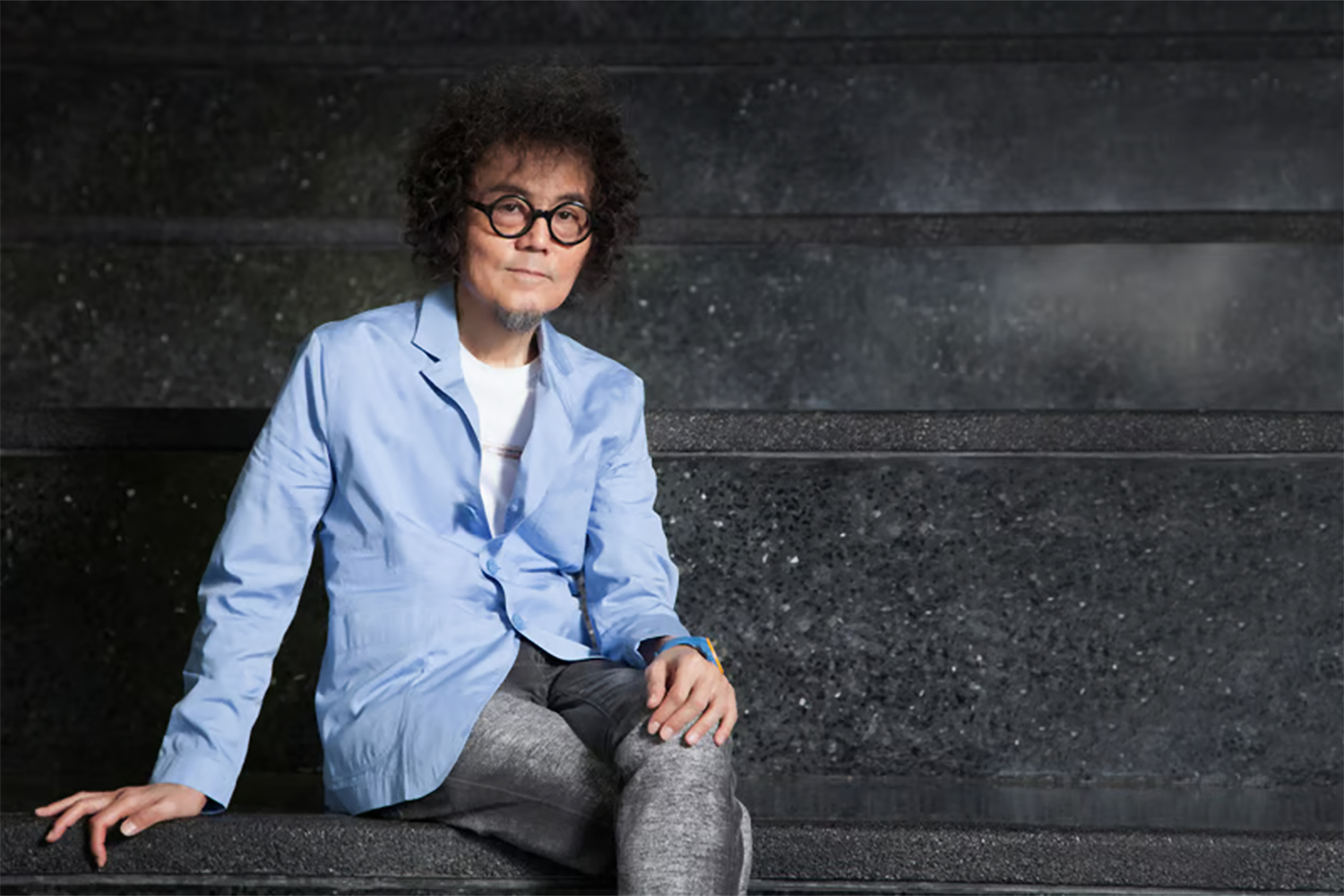
Following his passing in 2023, this vision was carried forward by his son, Purat Osathanugrah, culminating in the opening of the museum two years later.
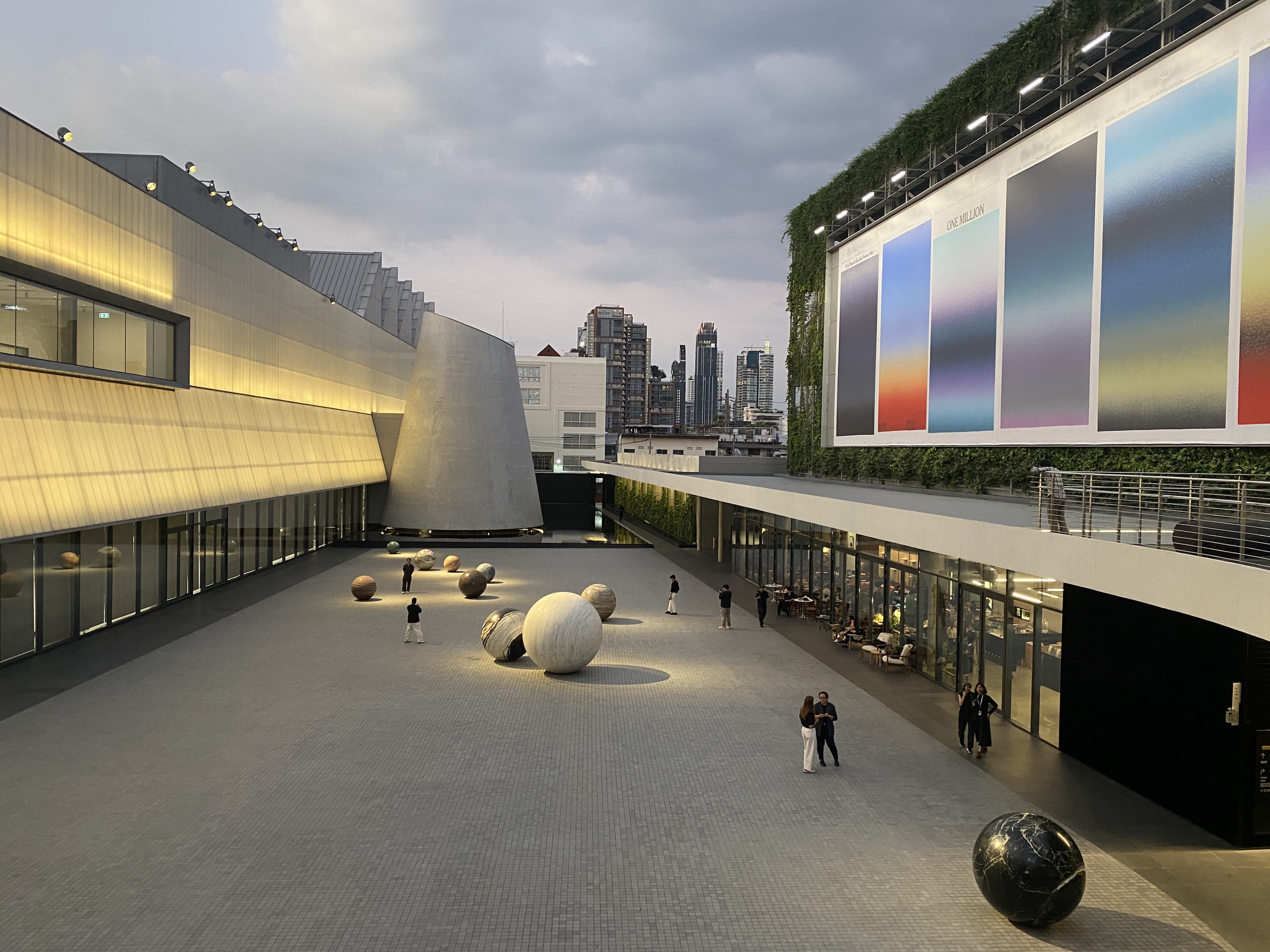
The museum is located between Rama IV Road and Sukhumvit Soi 40 and occupies a converted three-storey warehouse dating from the 1980s.
The redevelopment retains elements of the original industrial structure while upgrading the space to meet current exhibition requirements, creating a functional museum environment aligned with contemporary standards.
The Osathanugrah collection
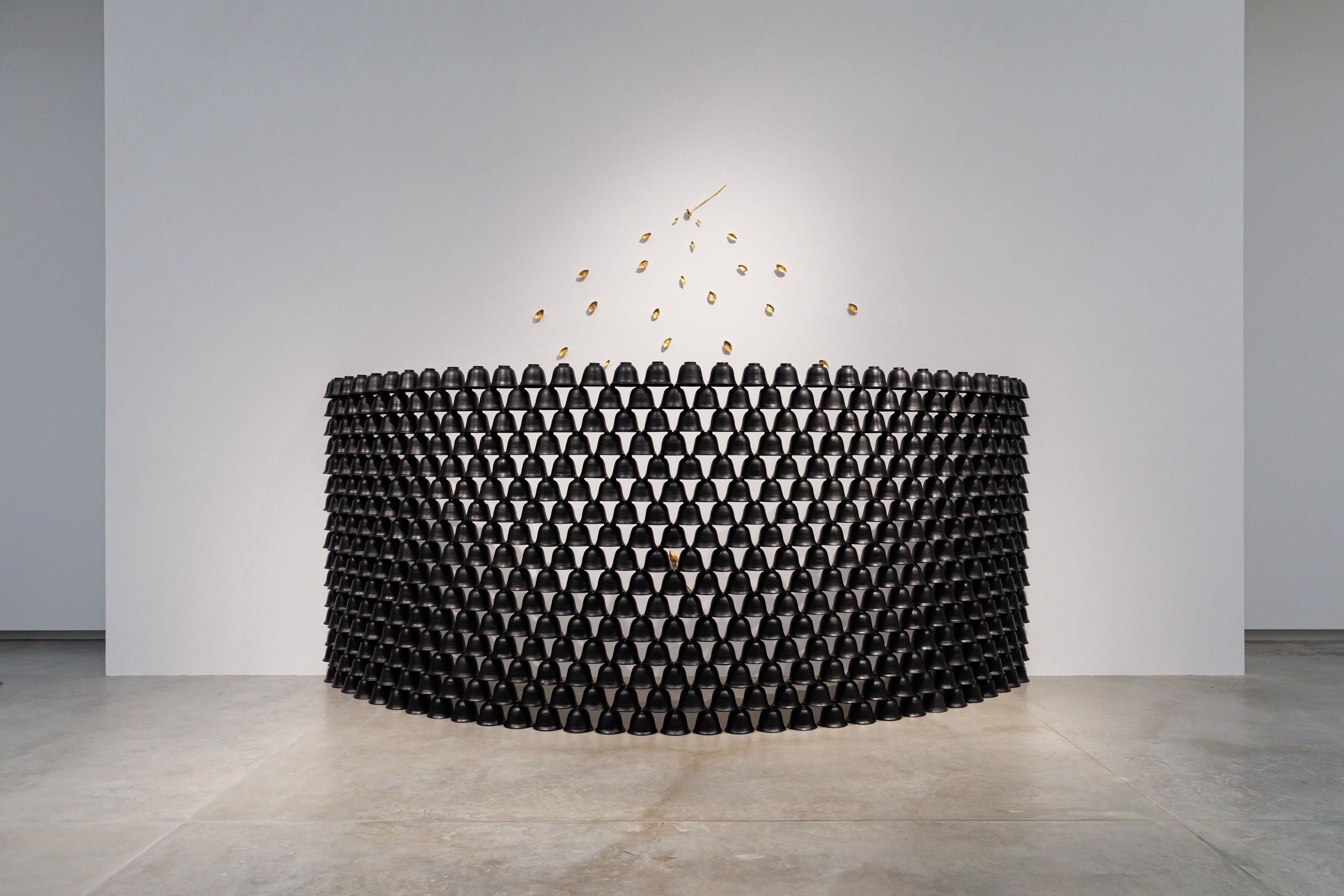
At its core is the Osathanugrah collection, which includes more than 1,000 works by over 200 artists across a range of media, including painting, sculpture, photography and installation, spanning from the 1960s to the present. 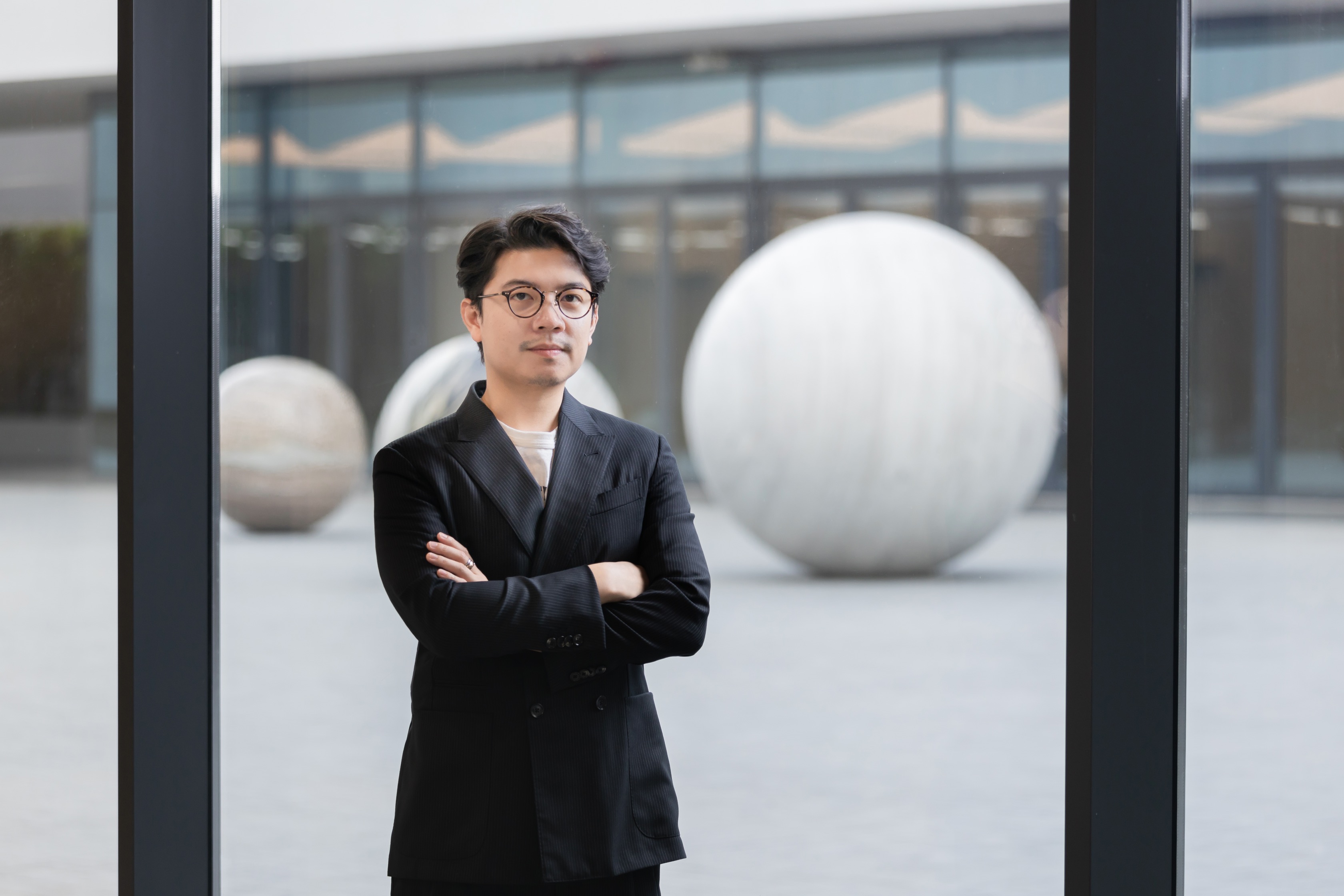
It is presented through a mix of rotating exhibitions and longer-term displays, allowing different themes to be explored over time.
Artists such as Montien Boonma, Anselm Kiefer and Lee Bul are shown alongside Sho Shibuya and Nobuyoshi Araki, as well as Thai artists including Pinaree Sanpitak and Apichatpong Weerasethakul.
This integrated approach places local work within an international context.
Visitors can interact with art
Several installations introduce an interactive element to the visitor experience, aligning with broader trends in contemporary exhibition design.
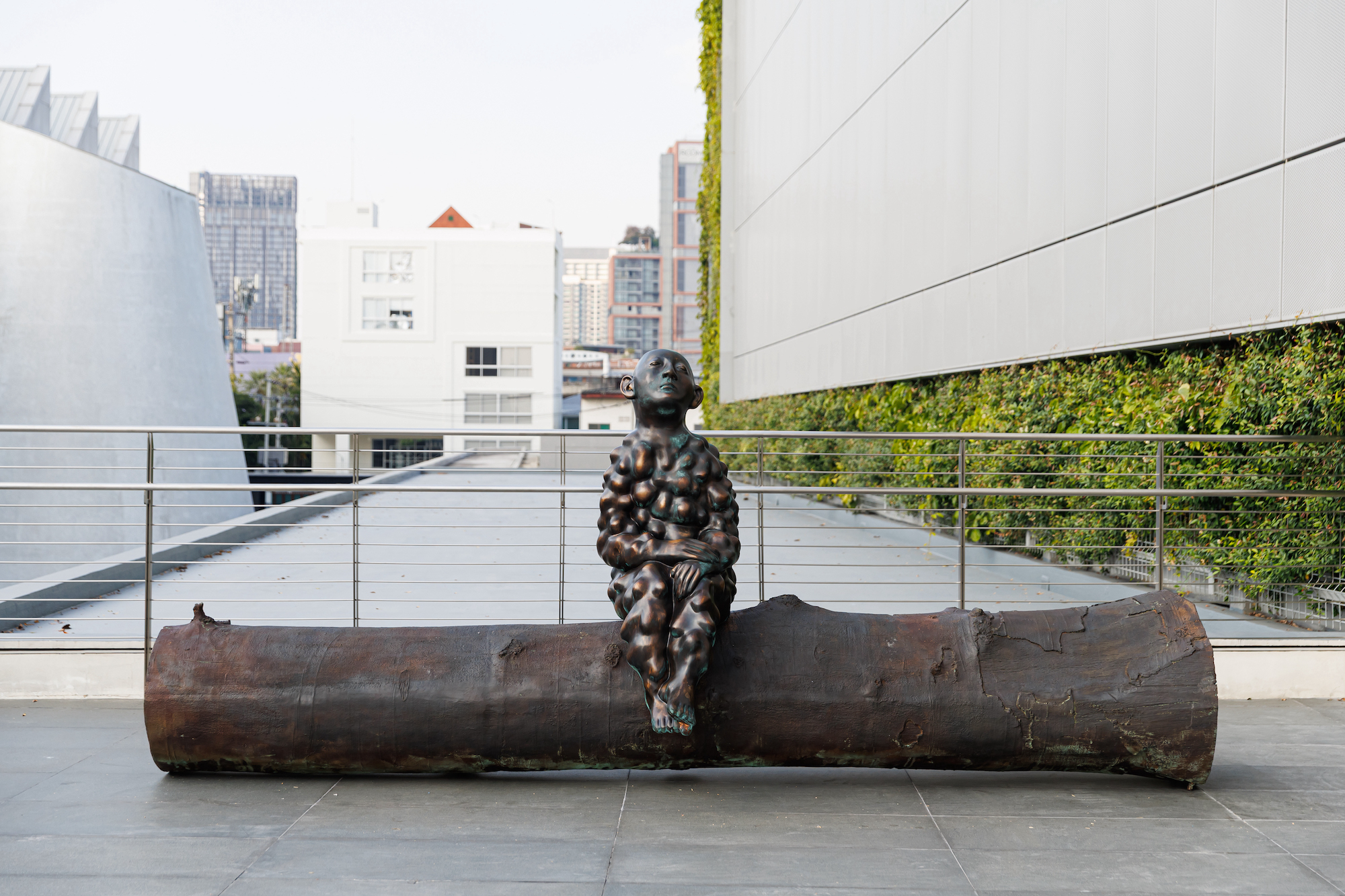
Works by Alicja Kwade focus on material and scale, while Marco Fusinato presents a sound-based installation that responds to visitor input. Sculptural works by Paloma Varga Weisz add a narrative dimension.
The inaugural exhibition, (In)visible Presence, runs until August 2026 and is curated by Ariana Chaivaranon under the artistic direction of Dr Miwako Tezuka, whose previous roles in New York bring an international perspective to the program.
The exhibition explores themes of memory and perception while also acknowledging the legacy of the museum’s founder.
More broadly, Dib Bangkok reflects a wider shift in Thailand’s cultural sector, where private collections are increasingly being developed into public-facing institutions.
Writer Ellen Boonstra is Business Acumen magazine's roaming Asia correspondent.
ends.