
 How to resolve AdBlock issue?
 Australia’s strongest small businesses are designing for constraint, not scale
VIEWPOINT I By Elise Balsillie >>
FOR A LONG TIME, growth in Australian small business has been sold as a race towards scale. More customers, more staff, more locations, more complexity. Growth has been treated as expansion in every direction at once.
What I am now seeing across Australia is a quiet shift. The small businesses growing with the most confidence are not chasing size for the sake of it. They are designing their businesses around constraint and they are doing it deliberately.
Constraint has become a strategic advantage. 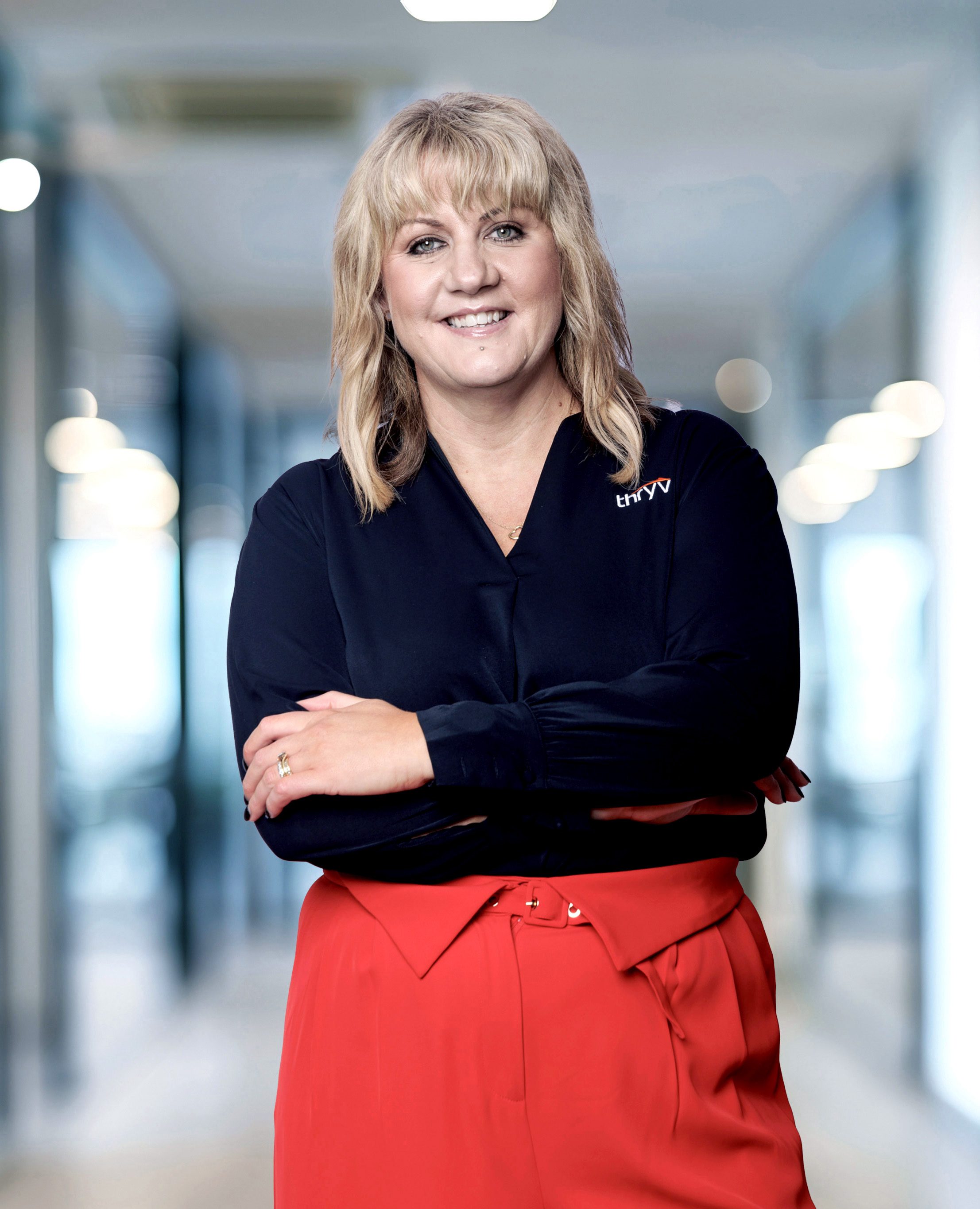
Small business owners are operating in a market where pressure is constant. Skills shortages are structural. Costs remain unpredictable.
Customers expect fast responses, seamless communication and consistency every time. In that environment, growing without boundaries is not ambitious, it is unsustainable.
The strongest businesses I work with ask a different question early on: what should remain constrained even as the business grows?
Growth breaks when everything expands at once
Most small businesses do not fail because they lack demand. They struggle because too many parts of the business grow at the same time.
Marketing ramps up before operations are ready. Sales increase before cash flow systems can support them. Teams grow before processes are clear. On paper, the business looks bigger, however in reality, it becomes more fragile.
I often say that growth does not break businesses. Uncontrolled growth does.
When businesses design for constraint, they grow with intention. They choose one or two areas to expand and keep everything else tight. That focus creates stability rather than stress.
Constraint forces better decisions
Constraint also has a way of cutting through noise. When time is limited, priorities become obvious. When resources are finite, inefficiencies surface quickly. When teams are small, clarity matters more than hierarchy.
The businesses growing strongest right now are not doing everything. They are doing the right things consistently.
They know exactly which customers are worth pursuing. They understand which services drive repeat revenue rather than one-off wins. They focus on the marketing channels that convert rather than chasing the next trend.
Constraint exposes the truth faster than expansion ever will.
Why systems matter most when you stay lean
There is a common belief that systems are something you invest in later, once you have grown. I see the opposite.
Systems matter most when you are intentionally staying lean. When a business is designed around constraint, every system has to work harder. Bookings, payments, customer communication and marketing cannot sit in silos. They need to connect seamlessly because there is no spare capacity for inefficiency.
This is where many Australian small businesses unlock their next phase of growth. Not by adding more tools, but by connecting what they already use.
When systems are connected, business owners gain visibility. They can see which enquiries convert, which customers return and where time and money deliver the strongest return. Decisions become calmer, faster and more confident.
The strongest growth comes from businesses that can see clearly before they act.
Constraint creates better customer experiences
Customers feel the difference when a business is designed with intention.
Businesses that grow within constraints tend to communicate better, respond faster and deliver more consistent experiences. Not because they are larger, but because they are more focused.
They are not chasing information across platforms or juggling disconnected tools. They know their customers, their history and their next step.
It is that consistency which becomes a powerful growth engine. Customers reward businesses that feel easy to deal with, reliable, are authentic and personal.
Redefining what growth actually means
Constraint-led growth also changes how we define success.
Growth is no longer just about revenue or headcount. It shows up in stronger margins, predictable pipelines and business owners who are no longer stuck in constant firefighting.
It shows up in businesses that can absorb shocks, adapt quickly and make decisions without panic.
Real growth gives you control. If growth takes control away, something has gone wrong.
The opportunity ahead
Australian small businesses do not need louder advice or more hustle culture narratives. They need smarter ways to grow in a constrained environment.
The businesses that thrive over the next decade will not be the ones chasing scale at any cost. They will be the ones designing businesses that grow within clear boundaries, supported by connected systems and confident decision-making.
Constraint is the framework that makes growth sustainable.
ABOUT THE AUTHOR
Elise Balsillie is head of Thryv Australia and New Zealand, a company that has developed ‘everything small business owners need to manage their work’ in a single IT package. The Thryv system offers more than 20 industry customisations available in a fully mobile interface – technology previously reserved for big businesses – that Thryv now places at the fingertips of small business owners nationwide. Thryv’s related brands include Thryv Data, Thryv Agency, Yellow Pages, Yellow Pages Print, White Pages Network, Whereis and True Local.