
 How to resolve AdBlock issue?
 Discovering Petchaburi through its food economy
By Ellen Boonstra, Business Acumen magazine's Asia correspondent >>
MOST ITINERARIES in Thailand still follow a well-trodden route, with Bangkok, the southern islands and Chiang Mai in the north continuing to dominate travel plans, often feeling a little overrun in the process.
But just two to three hours from the capital, things feel markedly different. The pace slows, the crowds thin out, and you find a more laidback side of Thailand, still off the beaten track, where local life takes centre stage and the experience is more grounded and authentic.
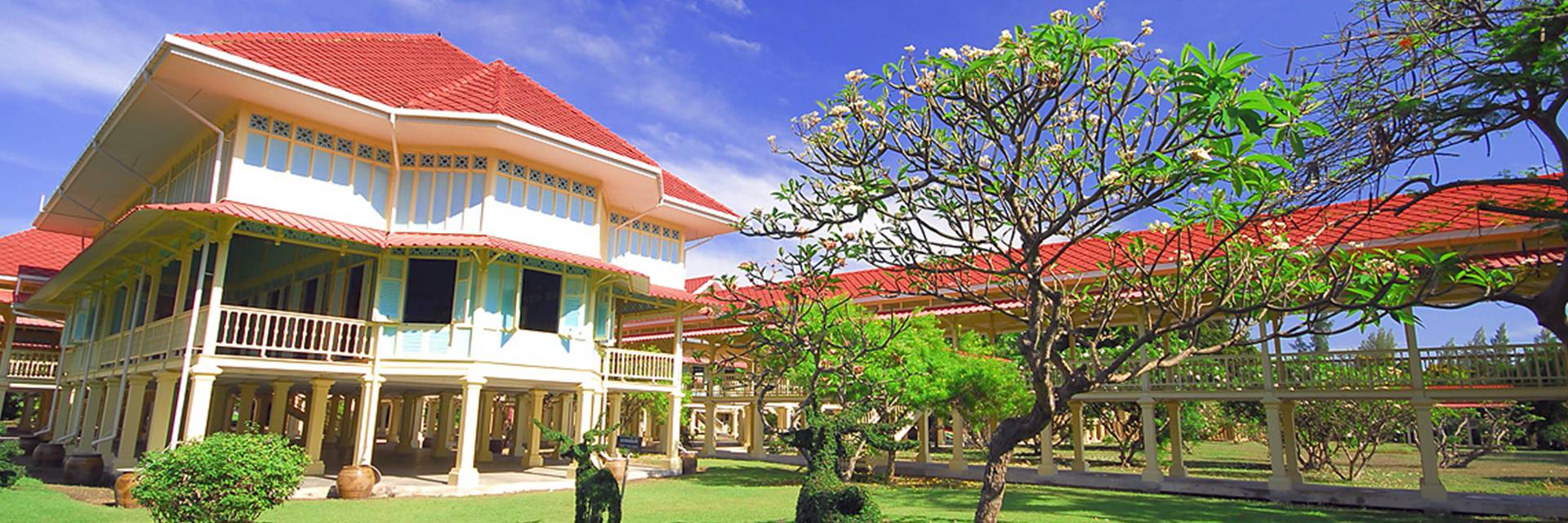
Located on the western shore of the Gulf of Thailand, around 123 kilometres southwest of Bangkok, Petchaburi benefits from diverse ecosystems and strong agricultural resources that shape its culinary identity. 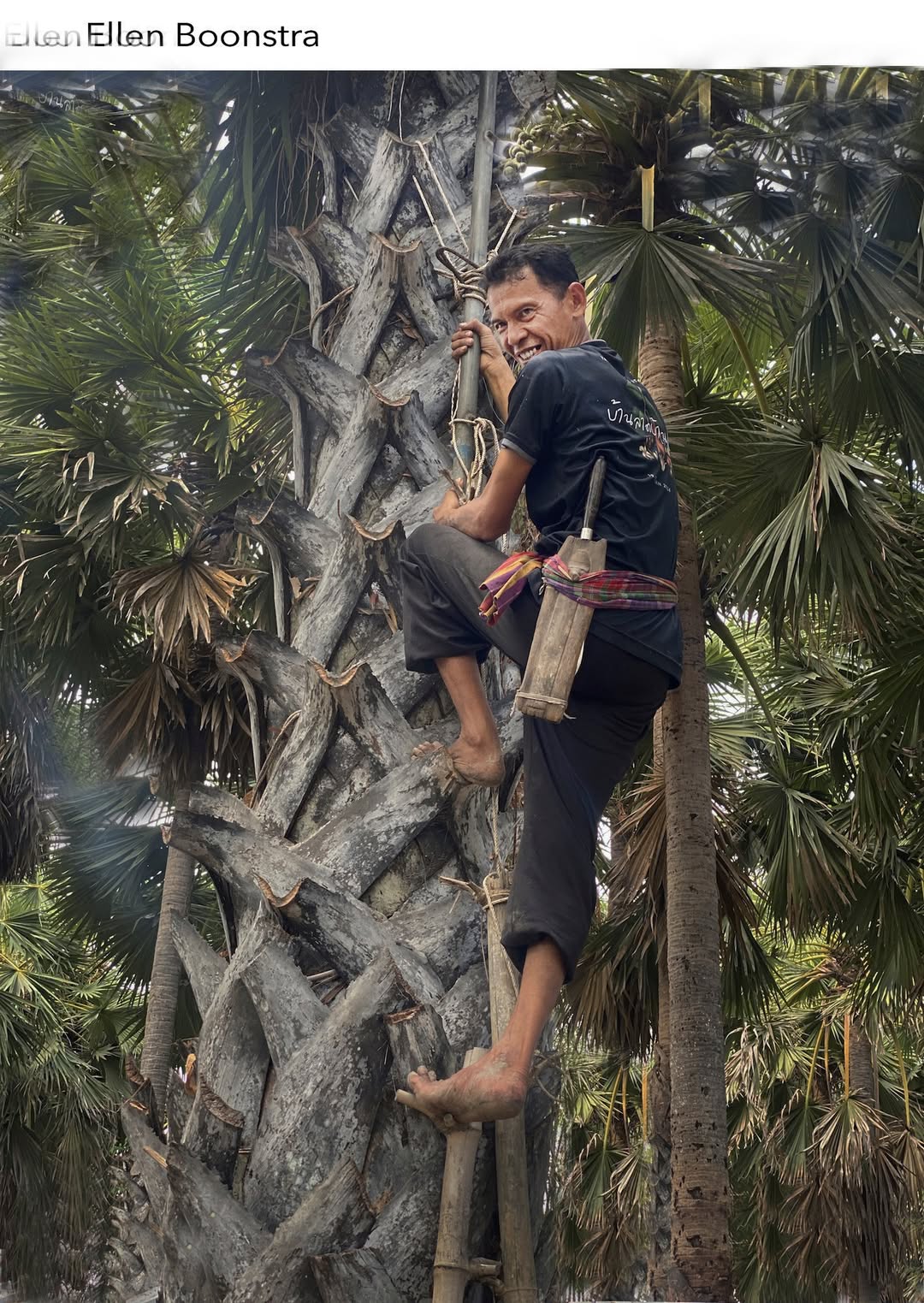
Often described as the ‘City of Three Flavours’, it draws on the sweetness of palm sugar, the saltiness of coastal salt and the sourness of local limes. These elements don’t just define its food, they run through markets, kitchens and small-scale producers, giving the local cuisine a clear sense of place.
It’s no surprise, then, that Petchaburi was designated a UNESCO Creative City of Gastronomy in 2021, joining Phuket and later Songkhla as part of the network. The recognition reflects a long-established food culture built on local ingredients and small-scale production.
Earlier this year, Thailand’s Government Public Relations Department invited a group of international media to Petchaburi for a two-day field trip aimed at showcasing its potential for gastronomic tourism, with a focus on the province’s wider food economy.
The itinerary focused on the production side, from agriculture to small-scale manufacturing. Across a series of site visits, from coastal aquaculture to family-run food businesses, the trip traced a model of tourism where visitors engage directly with local industries rather than simply consuming finished products.
From coastline to confectionery
The first stop was a marine farm in Ban Laem District, developed under a royal initiative. The site operates as both a functioning aquaculture facility and a learning centre, demonstrating how coastal communities are moving towards more sustainable, higher-value production. 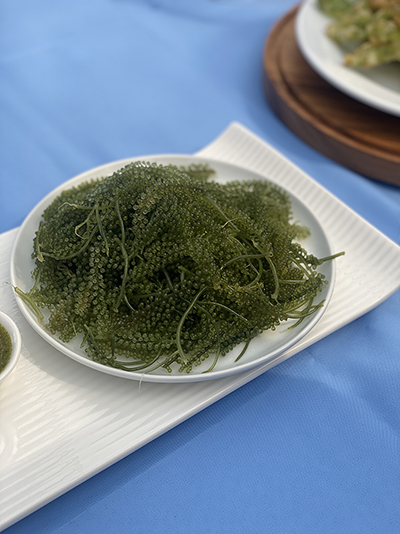
Shrimp, shellfish and fish such as sea bass and grouper are cultivated alongside seaweed, including sea grapes, a niche product with growing culinary appeal.
Often referred to as green caviar, sea grapes are tiny, bead-like seaweed with a delicate, pearl-like appearance and a gentle popping texture. The model focuses on resource efficiency, reducing pressure on wild stocks while creating alternative income streams for local communities.
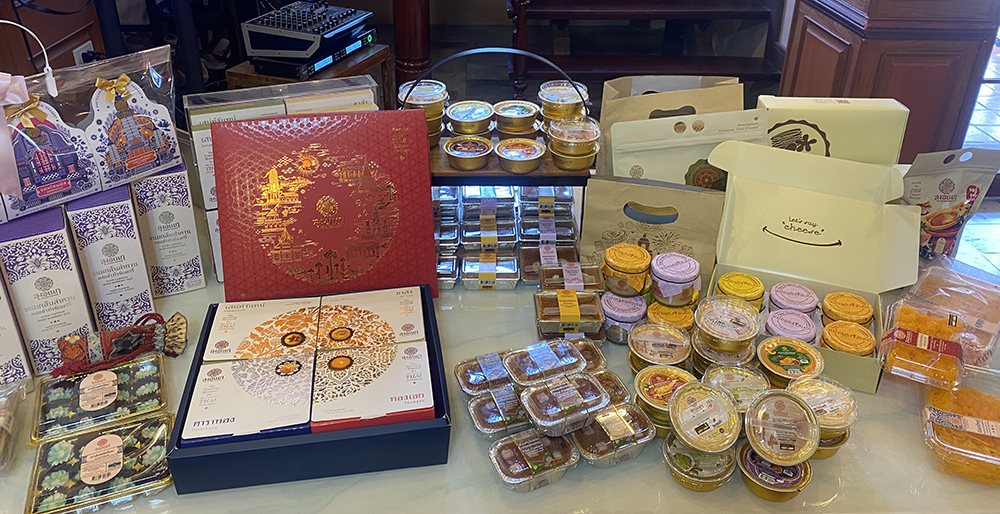
From there, the group moved inland to Uncle Anek’s Dessert Factory, a third-generation producer where traditional Thai sweets are being adapted for broader markets. Petchaburi has long been associated with desserts, many of which rely on egg yolks and palm sugar, giving them their distinctive richness and colour.
Here, recipes are being recalibrated with reduced sugar levels to better suit international tastes, alongside updated formats and packaging, often featuring local landmarks, designed with export in mind.
It reflects a broader shift towards value-added products that can travel beyond the local market.
Balancing tradition and adaptation
A visit to a palm sugar plantation in Ban Lat District offered a more traditional view. Production remains largely manual, from tapping toddy palm trees to boiling sap into sugar.
Once a staple of Thai cuisine, palm sugar is increasingly replaced by refined alternatives, placing these methods under pressure even as they become part of the tourism experience.
A worker well into his 60s climbed a palm tree to demonstrate the process first-hand, a reminder of the skill and labour involved. 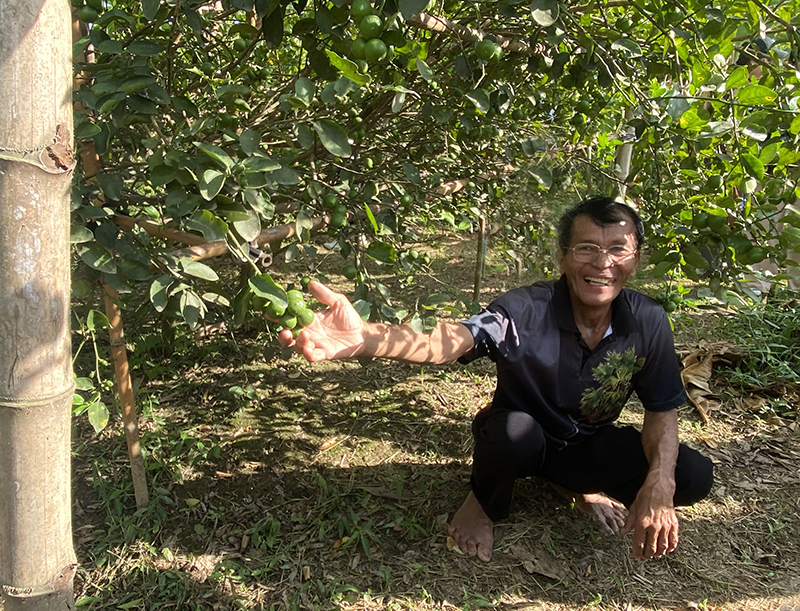
A nearby lime farm offered a more contemporary perspective. Operating under principles aligned with Thailand’s Sufficiency Economy philosophy, the farm has shifted from monoculture to a more diversified system, integrating multiple crops while minimising chemical use.
Limes remain a core product, but are increasingly processed into higher-value goods, including beverages and essential oils.
The approach reduces waste, spreads risk and creates additional income streams, showing how smaller producers are adapting to changing environmental and market conditions.
Petchaburi may not yet feature prominently on Thailand’s main tourist circuit, but its strength rests precisely in that.
By connecting visitors more closely to how food is grown, produced and adapted, Petchaburi offers a quieter, more grounded way to experience the country, one rooted in tradition but open to change.
www.tourismthailand.org/Destinations/Provinces/Phuket/228
Writer Ellen Boonstra is Business Acumen magazine’s roaming Asia correspondent.
Petchaburi (also sometimes spelled Phetchaburi) is part of UNESCO’s Creative Cities Network. www.unesco.org/creative-cities/phetchaburi
ends