
 How to resolve AdBlock issue?
 Dutch Embassy sale signals new phase for prime Bangkok real estate
By Ellen Boonstra, Business Acumen Asia correspondent >>
THE NETHERLANDS has announced plans to sell its embassy compound in Bangkok and relocate to offices at Dusit Central Park, with the move expected as early as August.
Framed around efficiency and modernization, the decision has sparked strong opposition from the Dutch community and heritage advocates.
Beyond the immediate reaction, the sale reflects a broader shift in Bangkok, where historic embassy estates and their expansive green grounds are increasingly being repositioned as high-value commercial assets. 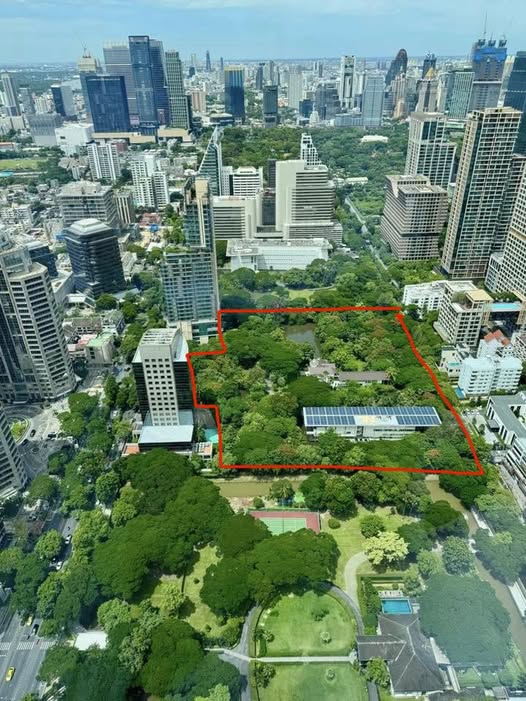
The Dutch Embassy site is widely regarded as one of the most significant heritage properties on Wireless Road, known for its early 20th-century villa and unusually lush setting. At its centre is a residence dating to around 1915, built during the reign of King Vajiravudh.
The property passed through several notable owners before being acquired by the Dutch government in 1948 as its first permanent embassy in Thailand. Since then, it has served as a diplomatic hub, distinguished by its architectural character and rare green space within an otherwise dense urban district, adjacent to the US Embassy compound.
Prime location
From a real estate perspective, the site is exceptional. Spanning about 20 rai, or 3.2 hectares (32,000 square metres), it is one of the largest remaining freehold parcels in Bangkok’s most tightly held prime corridor. Land values in this area are projected to reach up to 3.5 million baht per square wah, or roughly 875,000 baht per square metre, approaching record levels. On this basis, the site could be worth around 30 billion baht, or about A$1.2-1.4 billion.
If redeveloped, particularly as a landmark ultra-luxury mixed-use project, total development value could exceed 100 billion baht, or roughly A$4.2 billion. With comparable transactions already nearing peak pricing levels, the Wireless–Lang Suan–Ploenchit corridor continues to define Bangkok’s most competitive CBD market, attracting both leading domestic developers and global capital.
A comparable reference point is the former British Embassy site. In 2018, the UK Government sold the remaining 23 to 25 rai (3.68 to 4.0 hectares) of its Wireless Road landholding to a joint venture between Central Group and Hongkong Land for approximately £420 million, roughly A$750-800 million. 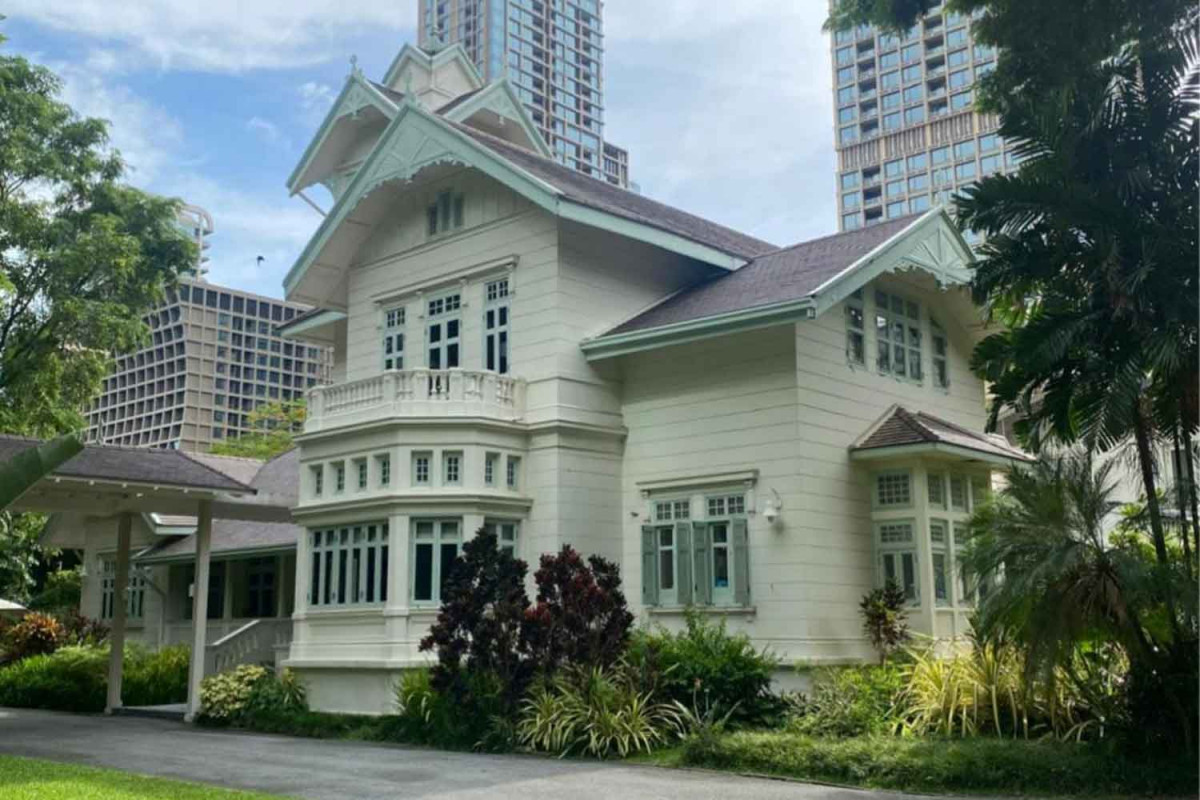
At the time, it was the largest land transaction in Thailand. The historic embassy buildings were later demolished, and the site was redeveloped as Central Embassy, a high-end retail complex.
This shift has accelerated with large-scale developments such as One Bangkok, a multi-billion-dollar integrated district launched in 2019 and opening in phases from 2024.
Development led by TCC Group
Backed by TCC Assets, the real estate arm of Thai billionaire Charoen Sirivadhanabhakdi’s TCC Group, in partnership with Frasers Property, it represents a new class of institutional, long-term investment that is reshaping land values across central Bangkok.
Given the scale, location, and pricing expectations of the Dutch Embassy site, any sale is likely to attract a limited pool of highly capitalized buyers. Groups such as Central Group, along with entities linked to Charoen Sirivadhanabhakdi, would be considered natural contenders, alongside international developers seeking a foothold in one of Bangkok’s most tightly held precincts. 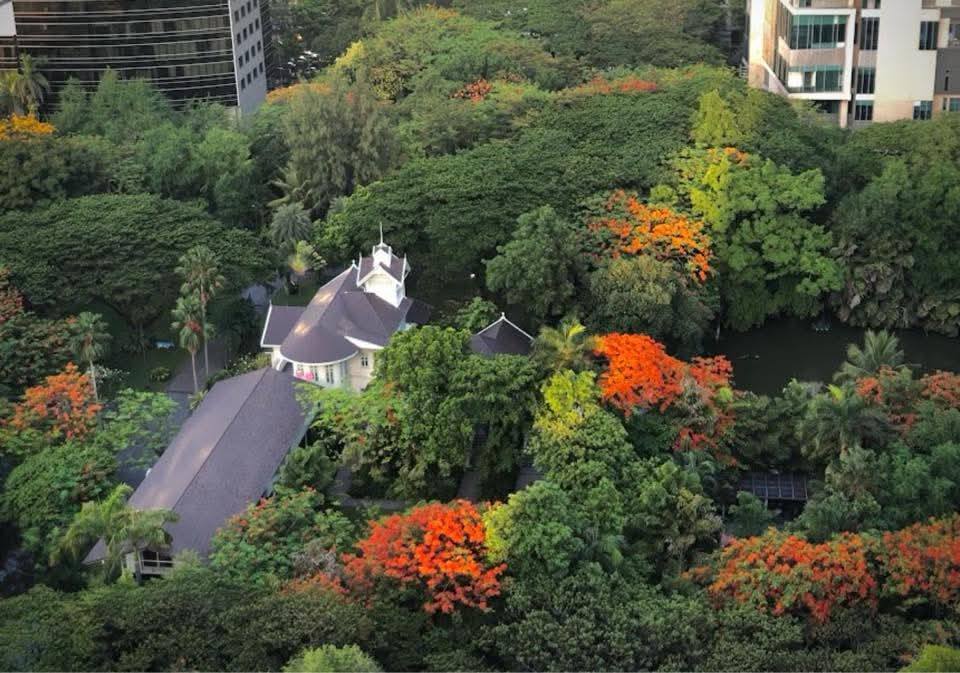
In contrast, the Australian Government has taken a different approach.
After selling its former embassy site in Sathorn in 2017 for about 4.6 billion baht, or around A$180 million, it reinvested in a new purpose-built embassy on Wireless Road.
The current Australian compound is a modern, low-rise campus designed for long-term use, reflecting a strategy that balances asset monetization with maintaining a permanent diplomatic presence in a prime location.
Writer Ellen Boonstra is Business Acumen magazine's roaming Asia correspondent.
ends